Ep109 Derek Morgan - How to Build a Referral Marketing System That Actually Works Without Burning Out on Networking


Sign up for your free account on ReferU2 here: https://www.referu2.com/s/user_36JW3cUF1fjhEKvfMTF8SK4DTev
---
If you're tired of grinding through networking events like some LinkedIn zombie…
Hoping you'll magically bump into your next client…
This episode is gonna be a wake-up call.
Jason sits down with Derek Morgan...
The dude who literally REVERSE ENGINEERED his own referral success…
Just so he could teach others how to do it.
Derek breaks down the difference between random networking…
And actual REFERRAL MARKETING.
Which is a system. A process. Something predictable.
Not just "I hope someone remembers me at the next Zoom happy hour."
Here's what you're gonna learn:
- How to identify your TOP 3-5 referral partner profiles (the people who already have relationships with YOUR ideal clients)
- The exact conversation framework to use with existing clients that gets THEM asking who you need introductions to (without you begging like a desperate salesperson)
- Why leading with VALUE to referral partners changes everything (and what that value actually looks like)
- The 5-phase referral marketing framework Derek uses to make partnerships predictable and scalable
- How Derek built a platform called ReferU2 that actually manages these relationships WITHOUT creating another CRM nightmare
Plus… Jason and Derek get into the MINDSET shift that separates people who get occasional referrals…
From the ones who build referral MACHINES.
If you're a coach, consultant, or service provider…
And you're sick of cold outreach and expensive ads…
This episode will show you a better way.
One that doesn't require you to be everywhere all the time.
Just strategic. Intentional. And actually kinda fun.
Tune in and stop networking like it's 2015.
Derek Morgan 0:00
Who are my top three clients, my three best clients, who are not in the same industry, and just reverse engineer a look alike profile around your three best clients, and then the questions you need to ask around those clients is, who are their vendors, who are their suppliers, who are the trusted advisors they're working with? What networks, associations, community groups, etc, they associated with there's your next best, ideal referral partner.
Jason Croft 0:25
Welcome to strategy in action, where we reveal how industry leaders build real market gravity, the force that naturally attracts opportunities, partnerships and profits. You get raw insights, proven frameworks and strategies that actually move the needle in your business. Let's get started. Derek Morgan is on the show today, and we're talking about this concept of referral marketing. It goes way beyond networking, right? And even goes beyond kind of growing your referral base, because it gets very specific in terms of this methodical procedure that is referral marketing that really Derek has developed and honed and now built software around it as well. So we dig into this concept of really what referral marketing is, and then how his software is really helping to facilitate that, quite a bit. So I wanted to have Derek on to talk about this, because it's such an important thing. I think it's so critical that we get beyond this old idea of networking, right, showing up here, showing up there. Oh, is there a client? Is there a client? And getting really strategic with building referral partners, and then even going beyond that and doing it in a way that you lead with giving you lead with bringing value to these folks who you love to be a referral partner, and honestly, even before then identifying really Who are those great referral partners? I think it's easy sometimes to see those folks who are directly around us. But if we take a couple of more steps in different directions, if I'm a coach and I really specifically work with folks in financial services, let's say, well, let's go beyond the usual group of folks who also work with financial services and who are vendors to those folks and suppliers, and really just taking this concept and expanding out way more than we normally do. So great episode with Derek. He's an awesome guy, and you're gonna love this one. Derek Morgan, welcome to
Derek Morgan 3:07
the show, Jason, thank you for having me
Jason Croft 3:11
absolutely this is gonna be a blast, because you and I have become good friends over these last several months of just I can't remember who introduced us originally.
Derek Morgan 3:23
Funny, you should ask. I actually had this message conversation on LinkedIn just yesterday with Frank Hagan, because I was talking about the ripple effect that he has around referral. And then I went, Hey, I'm meeting Jason tomorrow for a podcast interview. I met him on your networking event, and Jason's introduced me to SDK, and SDK has introduced me to Daniel Andrews, and Daniel Andrews is about to introduce so this, this whole ripple effect of trusted networks and collaboration just has levers, has leverage.
Jason Croft 3:57
Yeah, we met through Frank's. Yeah, the last time went to his networking group.
Derek Morgan 4:02
That's right, yeah, just right people, right place, right time. The power of being in the right rooms right not every room's the right room, but the power of being in the right room with the right people.
Jason Croft 4:11
I love it, and it's so appropriate, because exactly what we're talking about here today, certainly this idea of building a network and digging into and cultivating a network, but that's really one on one. That's, that's a base level. What we're going to get into today, which I just absolutely love from you, is this idea of referral marketing. So it's, it's way more than, yeah, go and network with people. It's so much more intentional in your actions, but also in who you are connecting with and why in the conversations that you have with these folks. Let's dig into that a little bit. Give me a little background here that's that even kind of got you into this world of. So seeing that, oh, referral marketing is the thing. Really cultivating these referrals and getting BL and networking is really something that has to happen and and I can do this, and I can do it well, where did that start for you?
Derek Morgan 5:19
Really good question. So I've got a background in financial services. Got out of financial services and into technology sales. Each of those roles didn't matter whether there was a marketing budget behind us or not. I wasn't getting marketing qualified leads coming into my sales pipeline, so I always had to go out and like most business development, people, account executives, go out and create my own leads, create my own pipeline and and hit quota, right? And what I found over the years is I didn't matter what I transitioned into, I carried through those networks and those relationships into that new role and new business, new activity, and that always led to connection, so something that I sort of evolved into and did intuitively, and then a few years ago, I had to actually sit down and map what I was doing so that I could teach others. And that's when I sort of created a referral marketing formula, and I started really looking at the difference between what most people do with business networking, and they get referrals or word of mouth leads, which is, you know, it's ad hoc, it's unpredictable. So how was it that I was actually turning referred leads into something that was predictable and scalable and could be done very strategically so that it got consistent results. And so then I had to pull together a framework to do that, which evolved into the referral marketing formula, which with referral marketing, as opposed to getting referrals, it's very much process driven that you can sit down and go, This is what I do. This is the value that I add. This is who I do it for. And this is how I engage with referral partners. And it's focusing on referral partners in your business networking, as opposed to just going out and looking for your next introduction to a potential client transaction. That's the really big mind shift, language shift. And the thing that moves the needle around getting one partner that leads you to many introductions to potential new clients, as opposed to getting one referral to one potential opportunity,
Jason Croft 7:37
just even going to that referral mindset makes that so much more powerful than let me go to this meeting, let me try to get a client. It's, it's so much more, like you said, process driven the way you do it specifically, but also it's just, it's, it's long term thinking, and it's just smarter too, because you're going to folks who you have that deep connection, and that leads to so many more connections, rather than like you mentioned that one single transaction that may or may not happen there, so it sounds like you did what a lot of us do when you sit down and You kind of reverse engineered what's been working for you that was working along those lines, and then in that process, found out what your process was really consciously a little bit. And then by doing that, added to it. And as soon as you're aware of something like that, then you can really pour fuel on the fire like, Oh, this is what I've been doing. Oh, I can be really purposeful now with that, is that sort of the evolution then into that framework that you've come up with?
Derek Morgan 8:49
Yeah, exactly. And it's not rocket science, right? It's interesting. The number of times I have a conversation with a business coach or a Chief Revenue Officer or marketing officer or sales manager, and I start talking to them about just the mindset shift and the language shift and the focus shift, which is really easy to do, not necessarily. It's relatively simple and it's relatively easy. The challenge comes in in actually just creating the space to sit down and think about it, and it's like, how do you go and have a different 30/62 45 second, whatever the elevator pitches at a networking event, how do you then go and look for introductions to referral partners, which is much easier for people to do than actually introducing you to a potential client transaction, which is much, much harder for people to refer. And then how do you position that value statement about the value that you deliver to a referral partner to make that memorable in the mind of the people that you're talking to at a networking event, so that they can easily go, oh, I need to. I. Connect Jason with Frank as an example. It's gone like because I understand the value proposition, and I know that value proposition is really useful to Frank, and I know you're going to have a partner conversation, you're not going to try and sell him your products and services. It just takes the pressure off the person doing the referring. So it really is to your point you mentioned mindset in there. It is just a mindset and a language and a focus shift. And as soon as you do that, everything changes. And I don't know how your clients are seeing but like 2025 we're recording this on New Year's Eve in in Australia, and 2025 just seemed to be burnout year for a lot of people, they were hyper, actively networking in person and online. AI is driving a huge amount of noise. It's even more competitive. It's harder to stand out. And so that's been a big challenge. And this whole process of being partner centric is having a really big shift for people in how they network and the results they get from networking. So I think that's the big challenge for people in 2026 it's like, how do you sit down and have a very clear focus on who your ideal referral partners are, and, more importantly, how you add value to them?
Jason Croft 11:19
Oh, yeah, it makes so much sense. And before we get into the framework that you have around referral marketing, let's make sure we're defining terms as well. So for you, what is a referral partner, and when are you looking for this, and how are you describing that person to anybody that you meet?
Derek Morgan 11:41
So for me specifically in relation to, say, the referral marketing formula, or refer you to, which is our referral marketing and partnership platform, I'm actually just highlighting my three top referral partners, and you know very specifically who I'm looking for, and then what's the value proposition that I'm actually delivering to that person that then triggers in the mind of the person I'm having a chat to who in their network. Because they immediately think very, very specifically when you're really clear on who you're looking to connect with, and you're really clear on the value proposition that you're looking to deliver, that then narrows people's thinking down of all the people they know who matches that profile. And because you've really clearly articulated your value proposition to that person in their network, it makes it really easy for them to have a comfort level around making that introduction. So rather than getting specific on exactly who I'm looking for, I think it's sort of more important for people to think about how Who are they looking for in a referral partner who actually owns a customer relationship with lots of your ideal clients and that person, when you or that business, when you can identify that and there's you usually only need three to five different referral partner profiles for you to have an extensive referral network or funnel. And when you can get clear about that for your business. That's the really big question. It's, how do, how do your listeners sit down and go Who exactly, if I could only deal with one or two different types of people as my ideal client? What do that? Who do they look like? And then who is the ideal referral partner that has lots of those relationships? And for your for your for your audience, they can answer that question really, really simply by going, who are my top three clients, my three best clients who are not in the same industry, and just reverse engineer a look alike profile around your three best clients, and then the questions you need to ask around those clients is, who are their vendors, who are their suppliers, who are the trusted advisors they're working with? What networks, associations, community groups, etc, are they associated with? There's your next best, ideal referral partner. The question then comes down to, how do you have a simple conversational framework that you can go and talk to that client that actually leads them to voluntarily introducing you to the right people in that network? Because your best clients usually surround themselves with great they have great communities, connections, network suppliers, advisors, and that automatically leads you to large networks of your ideal customers. The follow up question that they need to then ask is, how do I fit my value proposition into their core business? Because when you are dry, when your value supports your referral partner's core business, whether it's lead generation, sales retention. And, you know, new opportunities for them to sell more into products and services into their clients. Then all of a sudden, your referral partners are taking you into lots of conversations with their clients and their prospects consistently.
Jason Croft 15:15
Yeah, so your your definition, and for that referral partner, I think that that paints a great picture. There. Your referral partner is somebody who is they've got a network. They're not a competitor of yours, and they've got a network of folks who are your ideal clients, right? And that, I love that direction. You're going to get to those folks by going to your existing happy. They love you clients and saying, Who is your supplier in this, who is your vendor of this? Who have you bought from in this area? And then can I get an introduction to them? Is there a is there another layer of does education that maybe has to happen, or needs to happen with that referral partner to sort of, hey, here's what I'm here's what I'm doing here, right? Because it is different than normal networking,
Derek Morgan 16:17
yeah, and, and there's a really smooth conversation that you can have with your existing clients that results in that introduction without you necessarily having to ask for it. So one of the things that we see with a lot of businesses, they want referrals, but they don't give referrals. They're out doing a lot of networking, but they're networking with I'm prospecting for my business mindset, and if they go into networking with a mindset of, I will find the right people if I'm actually looking to help other people first, and that's this pay it forward, principle or mentality. And what I mean by that when you're dealing with your existing clients, rather than needing to go in there and ask for them for an introduction into their supply chain or their advisor network or whatever it's like, how do you have a smooth conversation with your client that automatically gets them to ask you who you need to be introduced to? So for example, if you were my client, Jason, I'd be going, Hey, look, Jason, in 2026 me and my sales team are going to be really focused on doing referral marketing and building referral partnerships. Even though I think I know what's a good client for you, I'd really like you just to tell me what is your ideal customer profile, and are you working with referral partners right now? And if you are, what's a good referral partner for you that automatically positions in the mind of your client. And you need to be genuine about this, that you are actually going to be looking to provide value to them by keeping an eye out for referrals for them. So they're going to articulate who's an ideal client for you. That's a good relationship building thing. Who's an ideal referral partner for them helps you refer in and think about who in your network you can add value through. But it automatically triggers them in that conversation, you'll find that nine times out of 10, your client will ask you exactly the same question. When you're clear about who your referral partners are, they will know who in their network they can introduce you to. So it's that law of reciprocity thing, the fact that you're thinking about them, they then start thinking about you. So you haven't had to ask them that volunteered well.
Jason Croft 18:34
And I think too, it also opens up that that question naturally, when you say, who's your best referral partner for them to go, Okay, what do you mean by that? You know, and even in that conversation, you're like, oh. And you can explain this definition exactly what we're going over today. And you can say, very naturally, for instance, my ideal referral partner is, right? So, yeah, it's, it's a couple of great ways to just bring that up naturally. I love that.
Derek Morgan 19:06
It becomes a really powerful strategy. So I, I talk to coaches and consultants about being laser focused. I talk to clients about being laser focused, and laser being an acronym for leads, acceleration or ascension, sales conversion, expansion, meaning, you know, expanding your partner's product or service offering. And that can mean new product creation or cross selling between the two of you. And then we talk about retention and re engagement. These become really powerful engagement strategies, particularly for business coaches that do a lot of networking. They come across a lot of people that might be good people, but are not ready to take on their services. But a really good way to do. Add value and stay engaged is actually bring them into a partnering conversation, and then that can potentially lead to just isolated coaching or consulting opportunities around one particular strategy, which then opens up the ability for them to sell in other services. So yeah, that's what we particularly get people to focus on when they're when they're working with partners, like, how do you help your partners generate more leads? How do you help your partners accelerate or nurture their warmness? How do you help them with more sales opportunities? How do you help them with re engagement or retention? And that re engagement and retention is a really big challenge for a lot of managed service providers, technology consultants and business coaches often have typical life cycles. How do you extend the life cycle of that client by adding new services, new value?
Jason Croft 20:59
Yeah, that makes sense, and I think that's a good that's a good working basis now, to give people that context for kind of what we're talking about, walk us through that, that very purposeful framework that you have for around referral marketing, you know, here's, here's the idea of it all that we've been talking about, Cool, I want to do that. What is that purposeful series of steps that you that you recommend people go do to pull this off,
Derek Morgan 21:29
we have five core phases that we speak to, and that's design, build, launch, then innovate and accelerate. So the referral marketing formula is basically nine steps or modules as a framework that lay that foundation and then start to get you create momentum. And they're done in a very they're delivered in a very deliberate sequence, and that's around identifying your ideal customer profile. So you see, during our conversation, we've started to talk about this as a concept and a framework in order you know so be very, very clear on who your ideal customer profile is, then very clear on your three to five ideal referral partners who work with lots of your ideal clients, and then what is your value proposition to those referral partners? Because you've already got a value proposition to your end customer, but what's your value proposition to the referral partner that's going to get them introducing lots of their clients to you? Once you've got that in place, then you can build a partner program. So when you're wanting to work with partners, you want clear systems, processes for engagement and accountability, and so that's module four in the referral marketing formula. Once you've got all that down pat, then you can start to focus on your message to market, your your storytelling. How do you go and communicate a message out to the marketplace? And then your referral partners, you need an onboarding, activation and engagement model, right? So a clear framework with how you take partners on a step by step process of engaging with you and going to market with you and doing that on a consistent basis, long term, obviously, is what we're aiming for. So once you've got all of that in place, it's then we'll watch the alignment conversations. Think like discovery calls when you're going and having a conversation with a partner. How do you rule the right partners in? Rule the wrong partners out, or partners and or customers, for that matter, that aren't your ideal customer. You may be wanting to introduce those to other people in your partner network that appears of yours in your industry that handle larger clients than you can handle. You want to refer up or smaller clients that don't fit your ideal customer profile, but they might be perfectly good clients for other colleagues of yours, referring them down because they're the right fit, rather than just going, Hey, Jason, you're not the right client. Sorry, I can't help you, right? It's make sure you've got a partner network that you can refer into, and then once you've got that alignment process in place, it's then what does what does the strategy conversation look like? And I use strategy instead of sales process or proposal, because we're really talking about I'm a believer of you can't sell anything to anybody if they don't want it or need it, and if you do then they resent it. So once you've got the business case down pat and you're positioning it, how are you positioning that strategy in a value added way for them, so that it's just a natural transition into next step of Let's collaborate together, do business together and move forward and then from a risk. Or partner perspective, once you've got them on board, what does the implementation process of that partner relationship look like? How do you help them, enable them to make it easy for them, to introduce you to their clients? What's that smooth engagement model? Is it events? Is it emails? Is it webinars? Is it whatever? Whatever makes sense for that particular partner in their client base. How do you make it easy for that partner to then engage their clients in large numbers? So that's that then turns into, once you've got all of that in place, it turns into a flywheel effect. It sounds like a lot, but when you break it down and you've got the right tools to actually implement. You can do that really, really quickly, like we'll tell our Fast Start program will take you through a partner build process to get version one, not version done, but version one completed in three days or less.
Jason Croft 26:00
Yeah, let's, I want to highlight a couple of spots and just clarify a couple, a couple of spots there. One is that, that value proposition to the referral partner. What's an example of that? That can, you know, we can have our listeners touch and hold a little bit.
Derek Morgan 26:20
So you've got quite a few business coaches in your audience and community, yep. So let's use them as an analogy. When business coaches do a lot of networking in person and online, they're meeting a lot of people. It's really hard for them to convert all of those people into clients immediately, and a lot of them won't be clients, for example. So how do you add value to those people that you're meeting? And potentially, let's be commercial, we're in business, potentially extract revenue from the value that you're adding, even though they might never become a coaching client. Having a referral partner mentality in the way that you introduce people, and using the right tools and platforms allows you to actually monetize that type of funnel and engage more deeply and more effectively with the people that you're meeting in networking events, whether that's online or offline. So you know, using ourselves as an example, with business coaches, We help business coaches drive more leads and more revenue at top of funnel, we help them drive deeper engagement and value in that nurturing phase. And then for their existing clients, we give them strategies and tools that they can add more value to their existing clients, to deepen or extend or expand their coaching programs into that client. And then when you're talking about referral marketing, which is very different to business networking and ad hoc word of mouth referrals, you now have the ability for you to supplement your existing coaching IP with new strategies to go back to past clients and offer them a new service. So that's sort of a whole of life cycle type model of you know, leads nurturing and escalation new offers and a re engagement strategy all in 1/62 conversation.
Jason Croft 28:25
I want to make sure we're super clear for an example, right for a coach out there, and they want to have a referral partner. What are they giving to that referral partner. What is that value? Because you mentioned that, you know, you start with value. What's what can they give to that referral partner that starts that relationship and says, Hey, I'd love because obviously that coach wants potential referrals down the line. What do they give in the beginning, what do they lead with in that
Derek Morgan 29:04
that's a that's a really, really good question, and little difficult to be prescriptive. In the end, I will be prescriptive, but I just a little caution to the listeners that the value giving you, giving an example, which I will do, your value may be very, very different based on your product, services, your market, your expertise, etc. So this you've highlighted the really, really important question to answer in all of this, Jason, is, what is your specific value to your ideal referral partner? When you can answer that question, then you've got the keys to the kingdom, right? Because then it's not only referrals that you get. You can actually identify your ideal referral partner, and you can go out and speak specifically to them. So if I, if I use an expert example here, a referral partner of ours, David, for. Shirt from business exit and beyond. He's created frameworks around business exit strategies. His ideal referral partners, accountants, financial planners and business coaches, amongst others, but I'll just focus on those guys. So his value proposition to the accountants, financial planners and coaches, is that he can bring in event frameworks, event strategies, event marketing material to help all of those advisors collaborate together and also do events together to drive leads, cross pollination of networks, all of that sort of thing. So that's his value. Add to those three target referral partners the ability to help them generate more leads and drive more value and new business from their into and from their existing client base, as well as strategic networking together. So does that sort of answer your question?
Jason Croft 31:04
I think so. So in that scenario, he's coming in and saying, Hey, let's, let's co host, produce this webinar on LinkedIn, for instance, that's going to attract that accountant's ideal client, and that is a beginning step of it's on me show up. Let's do this, but let's co do this together. It starts that relationship, and that who they attract definitely will be that ideal client for the accountant, but also construct that training and webinar, that it may attract ideal clients for your person you were talking about that with the exit strategy and the frameworks as well. And so that's a way to kind of lead with value, hey, let's do this rather than Hey, how's it going? You want to send me some people like, hey, let's do this thing together.
Derek Morgan 32:04
Yeah, it it's really good observation, but it goes deeper than that, right? Because, I guess I don't want people to confuse the scale place that everybody's promoting out there at the moment with the hot, warm first person relationship interactions that referral marketing strategies brings into your engagement, so that the principles and tactics are the same, but it's who and how you're marketing them that becomes very, very different, because it's not a cold audience. You're actually running those programs through existing client bases, their trusted networks, people that they already know, and you have systems, processes and frameworks in place for them to invite their network into those conversations, rather than being a purely outbound at scale, LinkedIn type, webinar strategy or in person. You know those in person events going out to cold lists, it's snow. These are all very warm, trusted first person relationships that these invitations are going out to, and the engagements happening. So it's it's far deeper, far higher quality, far more engaging, far shorter sales and engagement cycles because of that trusted network effect, as opposed to just being out to a LinkedIn audience as an example.
Jason Croft 33:29
Yeah, I understand that deeper aspect now too. Because rather than, hey, let's do this event together, that person, that accountant, can go, Well, cool, I could do that myself. What's the big deal? You're showing up. Hey, let's do this event together. Invite warm audience. But I'm going to invite my warm audience, who could use your so you're not just leading with, Hey, let's do this event you're leading with. I'm gonna, I'm gonna, I want to send a bunch of people your way. I'm gonna do it in the wrapper of this event.
Derek Morgan 34:01
Yeah, and I guess that the critical, critical linchpin that I didn't articulate in that business exit and beyond example, is the the trigger that all of this is coming together in and around for the accountant and the financial planner and the business coach is, it's a very strategic conversation with the entire network of each of the partner communities around increasing the valuation of the business on exit. So there's a very, very clear call to action and value proposition that it's actually being that these events are being coordinated around. It's like, how do you you know most businesses don't sell they just disappear. So how do you make your business a saleable business? Really important for the accountants community, really important for the financial planners community, core value positioning for business coach on why they need a business coach as an example. Example, so using that business valuation multiplier as a strategy, and then what are the tactics and actions that need to happen, and who are all the experts that need to play a role in that conversation with the end client? Because it's not a one person does all conversation. You need a partner and advisor around marketing, sales, delivery, operations, finance. Now the financial planner and the accountant will have the finance side of things covered, but they're not marketers. They're not sales people. They don't get involved in operational matters other than finance related, and they definitely don't get involved in delivery. So who will of all these levers that a business needs to call on? This is how they then start to expand their partner network. Well, I need to, I need more marketers in my partner network. I need more sales people, small, medium, large, service providers. So this then starts to expand your partner network around your strategic value proposition, whatever that is, and that's the real spending time on that, doing some deep thinking on what your value proposition is to partners. Is the big the big lever. It's the hinge that swings big doors.
Jason Croft 36:34
Yeah, and that that beyond just, oh, let me do this event or focus on this accountant. I love this picture you're painting of all the aspects that, let's say that your client, you're, you're describing, who's got that exit framework, like all of those things need to, need a business owner needs all of those as part of this process. They're going to help them through. And so you become this orchestrator in this center point, this hub of that process. It's not just, oh, let's do this event with an accountant and maybe a financial planner, maybe a So, but no, let's bring them all together. So you're really bringing this value into that, you know, to your end client, and also building those relationships with all the people that you mentioned, that's that's really strong,
Derek Morgan 37:24
yeah, and what you're doing is you're setting up a an ascension pathway for engagement, right? Because this process of, say, exiting a business or increasing your business valuation, it's not a six month process. It's like a three to five year process, and you're going to hit all these ceilings, and you're going to, you're going to, as a business owner that's scaling and growing, you're going to need all these other leveling up processes around service providers and advice and etc. So as a model, as an engagement model, through a partner community, you're actually positioning a very long term relationship, multi pronged relationship, with that client, right from the outset, as opposed to come and get some advice for a finite period of time, and then it ends, and then you've got to it's like, no, we have a three to five year plan that we're working and now we've just got to go through each of these stages, and they will be stages, and they'll have different milestones and different requirements, but you've got a three to five year Engagement Roadmap there. So for the accountant, the value proposition for the accountant, so if I'm a business coach talking to an accountant, I'm going, Okay, well, the value for you as an accountant with this entire process is, you can attract more quality clients by working more strategically with your existing client base, your existing client base, you can deliver more higher level, higher value strategic advice to that client, which is, obviously you're charging more for that, and you're not competing for compliance work, which AI is commoditizing, right? The financial planner, again, another way for him to grow the net wealth and worth of his client base, independently and separately, of the funds they have under management. When the client sells, the client sells for more and the financial advisors got more money to invest at the end of the day. And the coach has a very, very deep strategic conversation around marketing, sales, delivery, operations, depending on their skill set.
Jason Croft 39:36
I love this expansive mindset around this idea of getting referrals, building your network of people, and all of that. I love it, and I think if it was just that, that's enough, and that's that's value, what I really love, and not just the concept, but what you've. Built around this now, is why I really wanted to have you on and and share as well. For some people, that's enough, they can take it and run with it. But you've also got a platform now called refer you to you mentioned that earlier a little bit, walk us through how that platform is facilitating this entire referral marketing process that you've been kind of walking us through.
Derek Morgan 40:23
Yeah, well, we started off with referral marketing ideas, having the thought leadership and the strategy, and then we went, Okay, we needed, we need to build frameworks that people can go and have a follow the bouncy ball process of execution. So we built a referral marketing formula and a DIY process with nine advanced AI prompts for each stage of the formula, which means that people can execute really quickly, really effectively around that framework. But then it was like, well, then people still had to go and build systems and processes and etc to implement and operationalize that those strategy and tactics. So we just went well. Now we've created another problem. Let's solve that problem and turn key the process. So we built refer you to to actually deliver the partner collaboration and basically turn key the implementation and ongoing management of that partner network and referral network collaboration, so that that's the basic history of it, and we have a complimentary version of refer you to. So our aim is to add a massive amount of value up front. So there's a big decision making around it. It's like, yeah, just go and execute, and it will take time. So here's some tools to not just get you started, but get you well, down that referral partner collaboration track. And yeah, I'd love to give your audience a complimentary version of that, which we can drop a link into the show notes that they can access to refer you to if they're interested.
Jason Croft 42:01
Yeah, absolutely well. And just describe this, that platform a little bit too. What's it? What's it doing? Because it's really built for referral marketing and this process and connecting folks, and making this simple, but also just making it manageable to go and put in here, right? Just walk us through that a little bit.
Derek Morgan 42:24
Yeah, look, opportunity cost is invisible in most businesses. I i went to work for a technology company and looked inside their CRM, found a partner that I'd introduced to that technology company two years previously, when I was doing some fractional advice and that business had done nothing with that referral partner. In two years, I went and had two coffees with that referral partner, and within six months, we'd written $11.2 million worth of contracted business. CRMs are powerful, but they're not the be all and end all and CRMs, typically, it's internally facing, and it's only your team that has access to that, and then your partner network, they have their CRM and then in between, everybody's doing email, LinkedIn, message, WhatsApp, whatever, and Lots of leads are getting lost, missed and not followed up. So refer you to is designed to be the go between with your CRM and your partner's CRM, but it's a connective piece for you to collaborate so that everybody has visibility over the things they need to have visibility over, and it feeds back into your CRM. So we're not looking to recreate another CRM. We're creating this portal which has systems, processes, framework language education to standardize that partner engagement process. So now you bring partners on board. We educate them on how to become good referral partners and work with you consistently and effectively. And we give everybody this common portal and platform where everybody knows where to find things, how to follow things up, where the information is, where the deals sit, how they're progressing, without having to go and recreate that in your CRM or a Slack channel or teams, or whatever other platform everybody's trying to communicate on?
Jason Croft 44:28
Yeah, and I like that too, because it's, it really is, just like we've described this whole time. Referral marketing really is a unique approach, but it's also it's it's its own thing. That's why there takes a little bit of education and finding these referral partners. Say, I really want to be specifically a referral partner to you. Here's what that means, build those relationships. Do that. It really is its own animal, with its unique. Of attributes and things to track that it really does make sense to have its own platform as well. You know, your CRM is full of prospects and existing clients and all of that and people on a list. But this is its this is its own animal. I like that. It's a standalone
Derek Morgan 45:18
Yeah, it facilitates easy conversations and then the act of making your life easy as the person that's actually giving out referrals, you're automatically training everybody that you engage with how to become better referral referrers, and if they're appropriate and they fit your ideal referral partner profile, how to become better referral partners. And it's not like you have to do any heavy lifting, just the engagement process and the platform does that heavy lifting and training for you. Now you've just got this ecosystem of partners that all know how to communicate, collaborate together and work together really effectively, independent of each other's private CRNs, well,
Jason Croft 45:59
this is, this is fantastic. I think we've, I think we've definitely sold folks on this idea at the least of, oh, I you know 2026, I need to, I need to focus on this, because it is, like you mentioned. It's three to five powerful, active referral partners can change your entire business, right? And then the more you you stack on that even better. How do, how do people reach out and find and I know we'll have, we'll have some links in the show notes, for sure. How do people reach out to you and connect?
Derek Morgan 46:35
Yeah, just follow me on LinkedIn. Is the easiest place just search for referral marketing ideas on LinkedIn, my profile will come up. You can follow me. There's a newsletter there, and yeah, there'll be some value adds for your community in the show notes. Fantastic.
Jason Croft 46:51
Derek, thanks so much for being on this been absolute blast. My pleasure. Thanks, Jason, thanks for joining us on strategy in action. Remember, true industry leaders don't chase opportunities. They attract them. Want to build your own market gravity. Visit media leads co.com See you next time you.
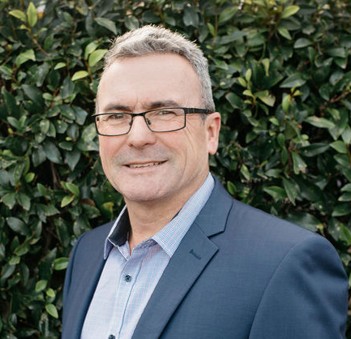
Derek Morgan is a seasoned business strategist with a deep understanding of how SMB/SME business owners can create scalable and sustainable growth without relying on expensive ads, cold outreach or complex marketing campaigns.
With years of experience in fractional business development, working with owners and sales teams, Derek has developed proven frameworks that help entrepreneurs, coaches and consultants generate high-quality, warm leads by building strategic referral partnerships.
He’s worked with countless professionals, product and service-based businesses to overcome common challenges like increased competition, rising marketing costs, and longer buying cycles, all by leveraging relationship-driven growth strategies.
His practical, no-nonsense approach makes it simple for business owners to implement strategies that drive real results.
He’s spoken on numerous stages, webinars, and podcasts, breaking down complex business growth strategies into actionable steps that entrepreneurs can apply right away.
His passion for helping SMB/SME owners and sales teams succeed is evident in everything he does, and today.


