
Ep108 Will Canon - The Power of Rigor: How One Filmmaker's Relentless Revision Process Creates Award-Winning Films






How to build a career that actually LASTS in an industry where most people flame out...
This is the FIRST episode in a new series Jason's calling Power Traits.
Where he brings on people he's known for YEARS...
And identifies the ONE core trait that's made them successful.
Not the stuff they put on their LinkedIn.
The REAL thing that separates them from everyone else grinding in their field.
Today's guest is filmmaker Will Canon.
And his power trait? RIGOR.
The disciplined, relentless process of going back to the drawing board...
Again and again and again.
Will breaks down how he took The Confession from a road trip conversation in 2018 to a January 2026 streaming release...
You'll learn:
- How to dual-track creative projects and fundraising without losing your mind
- The feedback collection system that actually WORKS (not the "what do you think?" basic nonsense)
- Why going back to the drawing board 15-20 times makes you BETTER, not slower
- The discipline Will developed as a high school athlete that still drives his process today
- How to navigate indie film distribution when there are fewer buyers than ever
Jason and Will also get into the messy reality of independent filmmaking in 2025...
This isn't your typical "follow your dreams" filmmaker interview.
It's a masterclass in RIGOR.
The kind of disciplined, relentless iteration that separates people who SAY they're serious...
From people who actually finish things.
Plus some inside baseball on why streaming platforms are both easier AND harder than the old DVD days.
Watch the whole thing if you want to understand what it REALLY takes to build something that matters.
Will Canon 0:00
Whole senior year, I was a starter, and I was a captain, and I went on to play college ball. So I saw the results of that work. What it taught me is that if you're willing to work hard and you're willing to put in the time, you will make things better. Getting back to film with with a script or with an edit, if you'll sit there and you'll work on it, it'll get better. I've never been like, Oh man, I wish I'd spent less time working on this. You know what I mean. It's just never happened.
Jason Croft 0:27
Welcome to strategy in action, where we reveal how industry leaders build real market gravity, the force that naturally attracts opportunities, partnerships and profits. You get raw insights, proven frameworks and strategies that actually move the needle in your business. Let's get started. Welcome to strategy and action. I am doing a new little series here in between my regular interviews, partly as an excuse to talk to some amazing dear friends of mine, like today's episode with will cannon, but also to really specifically focus on what I call power traits in these people that I know, a common thread has come about as I think about these folks and what has made them successful, and my interactions with them for years and years now and will is exactly one of those folks, and we get into exactly what his power trait is from my perception. And I think this is fascinating, because this whole series, because we dig into what, what is that piece? And, and I am almost always somebody who agrees with the idea of leaning into your strengths, outsource your weaknesses. You know, of course, there's, there's times to shore those up a little bit, but I think it's important to think about those things. Focus in on, what do we do? Well, what are our unique elements that make us us, but also us at our best. I know Scott Adams talks about that talent stack, right? That? Yeah, maybe there's a lot of folks who are cartoonists, a lot of folks who are interested in being an author or so, and so maybe there's a bunch of folks who are kind of funny, but when you stack all those things together, it makes a really unique person. And this is similar to that, in that there's, there's a core trait in a lot of the folks that I know that like, wow, that's that's a piece that I just keep seeing over and over again. And part of this is being introspective and looking at it for yourself. What, what am I good at? What should I lean into? And sometimes it's really helpful to have somebody from the outside. Show show you that kind of point that out. It's nice, it's encouraging. But also sometimes having that pointed out can let you lean into that even more. And sometimes it's it's great to kind of go back, Oh, where did this start? Oh, that's right, it, you know, I've been doing this this way for so long that that did make all the difference in this area, in this area, in this area, and then you're a little more proactive in moving forward, to lean into that trait. And so I think this, this, this concept, is fascinating. That's why I wanted to start this series and and again, also to showcase and interview and catch up with dear friends of mine. Will is an amazing filmmaker, and I've had the honor of knowing him for over 20 years now, just crazy making movies together back in the day, and he is still going strong. He's got a new film coming out called the confession, and we certainly dive into that with that release coming up, gosh, in the next week now. So excited for him. Highly encourage you to check out that movie on all the top streaming platforms. So let's jump in with will cannon. Mr. Will welcome to the show.
Will Canon 4:51
Thank you for having me, and thank you for the Mr. Will greeting. That's I was hoping to hear that. So thank you absolutely.
Jason Croft 4:59
That's. A trademark for anybody out there. Don't try to use it. It's mine and mine alone. Speaking to Mr. Will cannon, this is such a blast will and I will try not to have too many inside stories that we don't explain with our year history, many years back in the day, working in in the movies and all that fun stuff. Past life for me, current life for you, Mr. Will, and we're gonna get into absolutely your latest the confession coming
Will Canon 5:36
out, I love it. I love it, and it's great to see you, man. And thank you for the intro, and thank you for the Mr. Will I just, I feel, I already feel at home, so I'm an open book. Nice.
Jason Croft 5:49
That's what, that's how I get you. Just lure you in like, yeah, lull you into submission with the Mr. Will vibe,
Will Canon 5:56
yeah, yeah. Pull the rug out from under you.
Jason Croft 5:59
That's right. This is more of a gotcha interview. I've got some dirt, and you're live streaming. Yes, this is
Will Canon 6:07
like some late 70s. Mike Wallace, like, show up at the dirty business and get, get, you know, ask you why, there's why you're poisoning the water you know exactly
Jason Croft 6:17
gonna bring you down. Well, yeah, this is this is fun for this interview, besides finding some excuse to bring will on the show and have a conversation and catch up, which is always what I'm always trying to do, what I really wanted to do. This was the first of a series with strategy and action around what I'm calling power traits. I've got some amazing people in my life, and it just occurred to me that, you know, with a lot of them, there are this over arching core trait that I associate with them. And it's, it's really negative. It's all negative. No, it's this core trade that, really, I can see, oh, that's why they're successful. Yeah, will I know we've got somebody, a mutual friend slash nemesis. Maybe I don't know, like, depends on the day. Mr. John Perez. I got to have him on the show his he's and you'll agree with this. I'm sure his power trait is charm. I mean, I think that's, that's like for all the other skills he's got. I mean, that's, that's a power treat, right there, for sure. That's I got some others that are, you know, buddies who are just amazing at their consistency and all of that. And what I wanted to have you on, and I want to get your feedback on this too, your power trait. What I got to observe working on movies with you, short films. Worked on brotherhood, and I got to see it firsthand over and over is this going back to the drawing board and back to the drawing board when it comes with this, to the script, when it comes to walking through, okay, scripts walking through, how are we gonna block this? How are we gonna shoot this? What are we doing? And for me, it's, it's like kryptonite. It is, I cannot stay if I've done something, I've done it, I'm going on. It is and and I that is a not good trait, that is a non power trait, in my view. And I've always been that way. I remember, again, back still in the in the movie making world. I remember, you know, having to do reshoots or something, and being taught that from Andy back in at UTA on these, these things, and the idea of that, of revisiting, no, we've done that. We've it's just a normal part of filming. And it's not just that, Oh, you do that well, but it's that every single time it's better for it, the script's better for it, the film's better for it, the acting is better for it. And so I honestly, it was this idea of that revision and going back and back, but I had to find the word honestly, from these other other folks I'm bringing on. I had, oh, that's the word. That's the word, but the word is and that trait is rigor that I found, I was like, that's, that's the word. It's the disciplined, careful process of improving something, right in that, in that great. I mean, that's, do you own that? First of all, does that? Does that resonate?
Will Canon 9:36
Yeah, you know, as you're for sure, it does. And I think, like, as you're talking about, I'm kind of thinking about, I'm kind of thinking about, I'm thinking about the experiences that we've had together, and I'm thinking about those processes on Brotherhood and the filmmaking examples. And then I think the natural question for me in my head is like, you know, where's it come from? You know? So I'm sort of thinking back to like, have I always been like that? Is that this, is that something that I learned, is that a personality thing, is that, is that a practice thing? And I think, you know, to a degree, it's probably all of it, but in different ways. And it's, it's, I think it's been shaped in different ways, but, um, you know, to answer your question, yeah, I definitely, I definitely resonate with that. And it's just cool to hear somebody say, it's cool to hear somebody outside of your own mind say that and sort of apply it to you, because, like, I'm, I think I'm proud of it as you describe it, I'm proud of it,
Jason Croft 10:33
yeah, and it's, it's maybe a cousin to perfectionism. And I think, I think being a perfectionist is a negative version of it. I think you could go down that road, because that's an important distinction that I wouldn't classify you as that. Because a perfectionist, to me, is just like, then it's never good enough like, because you're never going to get the perfect it's never this, and nothing's ever right? And there's a, I feel like an amazing skill in not being afraid to go back no matter what. And anybody else got a Croft over here whining about it, or anything else, of like, No, we're gonna, I can feel it. We're gonna go. We gotta go back again. We gotta, this is part of that process, and some of that, something that comes with time. But there's also, I imagine, a listening to instincts a little bit, just like, I don't know what that is, define that and describe that, that vibe when you are going back again and maybe logically, you're like, this should be good. Everyone else thinks it's good. What's that process going on the inside?
Will Canon 11:52
I think the two places I really that, I really see it for in my sort of experience is in writing and editing. You know, I don't. I'm trying to think if I've ever actually gone back and reshot something, I don't, I don't think I have, you know, somebody may bust me and be like, No no on that movie you did, the one. I don't know that I've ever reshot something. So I think actually on brotherhood, we, we, we tried something and it and it was like we had a horrible rainstorm, and we and the scene wasn't working, and so we sort of scrapped it for that day and moved it to later in the shoot. But I don't know that I've ever gone into post and gone like, oh, because part of it is and gone back and re shot something. I think part of it is that's also, like on any movies, that's an economic sort of decision, yeah, exact component, you know, if you so. So I don't know that I've ever had the luxury of having enough money to to resheet anything, but the two places I do see it are in the script and in editing, because those are the, those are the times when you really are going, is it there? Is it there? And, and some people, some people might quit after the fifth revision, some people might go to the 100th revision, or whatever, you know. And you we can think of filmmakers that kind of go on in either direction. But I think for me, it's kind of two main things. It's, it's definitely instinct, and it's definitely, like my own sort of feelings about it, or satisfaction with it. And feeling, is this working, is this there and then, I think the other big piece of it is just getting feedback from people. You know, I'm just, I'm a big like feedback person with this, with scripts and with the edit, you know, with with the confession. You know, I probably did 15 to 20 little test screenings in my living room, you know, when we were going through the Edit, and that's, I'm collecting data, you know? I'm tell me what you like, tell me what you don't like, tell me what works, tell me what doesn't work. And then as you get deeper into the Edit, I'll say, Okay, we're working on this specific thing. Let me ask you questions about that. This is a problem for a different group, you know. So you're collecting data, and I think, I think, yeah, a big part of it, just wanting whatever you're working on to be as good as it can be, and just wanting to not leave any stone unturned. We only get one shot at making the movie. When you make it, it's done, you move on. So it's sort of like, well, while we're here, you know, like I don't want to, I'm going to watch it in a theater, or I'm going to watch it on streaming. And this one, you know, I've been going around to festivals, so I've seen it with audiences at festivals, and when I sit there, I feel very satisfied watching it. And I'm glad that, you know, we did a lot of, you know, we did a lot of tweaking. We did a lot of knob turning, you know. But. I'm glad that we did. I don't I've never been like, Oh man, I wish I'd spent less time working on this. You know what? I mean, it's just never happened.
Jason Croft 15:07
So, yeah, that's another key piece of it too, that you're phenomenal at, is that feedback collection, that data collection, and also in the best way as well. It's not, maybe, what people think of in terms of, you know, the studio showing it to test audiences, like, well, it tested a four and this and this. So we're gonna have to go and change the ending. You know, it's not this by committee nonsense. There's still a filmmaker driven story to this, and you are going on instinct, but there's a piece of okay, if this isn't hitting, I know it, and I've got all this background to it, so this has to be hitting with an audience, and so you do bring in from script stage all the way through editing, this aspect of of trust, of who you're, you know, you know that person, and you know that vibe, and you can get that information out of them. But also, and I, and I want people to grab this that may be thinking like, I don't make movies. This doesn't apply to me, even in business. It's the difference between, you've got an offer out there, you got something going, and you're just like, hey, what do you think of this? Or if it's hey, here's this really specific aspect. How is this hitting for you when it comes to you like this? And that's something we can all be better at in terms of really knowing what to look for, and that comes with skill and openness and those instincts that you talk about. It's almost like asking a painter when they're done painting, right? Like, what? What hits besides economic in like, all right, it's time we got no more. But when, when we
Will Canon 17:10
can't, we can't afford anything else. Yeah, I think there probably are a lot of different factors, you know. And unfortunately, some of it probably is economic, you know, for me on this movie, it wasn't necessarily because it wasn't, it wasn't, it wasn't an expensive process, you know. So it wasn't like, you know, if we stayed in, you know, picture edit for, you know, one more week, it wasn't like we had a huge overhead and it was going to cost us, you know, $100,000 to do that. You do that. You know, it was very we had a very small kind of overhead. I think part of its experience, you know, when you do it, you kind of have a sense of when the movie's feeling like it's done. I think part of it is the feedback, you know, you're getting feedback from people, and at a certain point, you know, like if something doesn't work. Or if people are having a problem with something, you kind of get you kind of at a at a certain point, you exhaust, you know, the remedies, you know. So if you know, there's only so many takes you have of a performance, you know. So what's interesting is, and this is the fun part, when you get in there, and like, if you're having trouble with a with a certain performance or a certain scene, there are way more things you can do to help it out than you think. And it was really interesting to me, like, there were a couple, there were a couple of scenes that, like, we just, we would start a line on the actor, we'd be on the other actor. We'd cut to the reverse. We cut to the other actor. If we cut five frames later, it helped, like the performance was so much better to people. And it's a five frame difference.
Jason Croft 18:54
That five frames, if you don't know, 24 frames a second in in Movie land. So five of those frames difference, that's the subtle that's amazing.
Will Canon 19:05
The difference was we were cutting to an actor and kind of waiting for him to talk, versus just cutting to him and he's already talking, and it just, it was a flow thing. It just made the flow better. And it's not his fault. You know what? I mean, it was, we hadn't edited it, but you also kind of, like, you have to be willing to try the five frame things, you know, and there's a, there's a, there's like a scare beat in it. Where we did, this was kind of a reshoot, but not, it wasn't really a reshoot, but we just, we needed something that where we, we added six frames to a sequence, you know, like sort of a scare, can actually sequence. We added six frames that we didn't have, and it made it, it made it come alive. So I feel like I'm kind of getting off in the weeds a little bit, but it's, I think, you know, you have to kind of be willing to try those things, and at a certain point, then. And I think once you've done the six frame try and you've done the five frame thing, you have to also kind of be willing to step back and say, Okay, we've tried it all. And you know, I'm happy with where we are. I'm happy, you know, with this, with this process,
Jason Croft 20:17
that's the tough part that does come from experience in all of that for sure, that's that best version of it, whereas maybe the perfectionist goes on and it's, you know, it's 10 more weeks of banging their head against the wall with stuff that isn't, hey, we tried that before we tried that before. It's just not that, and finding that piece that, hey, I'm not afraid to keep trying. But we got, you know, we're there. We're done, yeah, I mean, let's and you brought you brought this up too, of like, and this is where my interest in all of this is, is where, where do you think that comes from, that rigor, right? Did it show up in basketball, in high school and college. Did it show up as a little kid? You know, that got encouraged maybe? Yeah, there's
Will Canon 21:08
kind of two parts of it that I'm that I'm sort of thinking about as you talk about it. I think one part was, I wouldn't call myself OCD, but I'm a little like OCD adjacent, you know, and as a kid, I would like organize, like sports. I was a huge sports fan. As a kid, I would organize my sports cards, and so, like my team, and do I have them very, sort of like rigid and so I think there was, like, there was a little bit of willing to spend time on things. Like, I don't see my son, my son's, you know, loves Pokemon cards. I don't he, and he plays with them and he trades them. I don't see him organizing them in the same way that I did baseball cards, which may be so you discipline way more healthy. Yeah, right. These need to be organized.
Jason Croft 22:07
Dad's only gonna do this 10 more times before you get
Will Canon 22:12
right, right, totally. So I think there's some, some of that is one thing, and I don't know when you're organizing them like that at that age. I don't know how. I don't know how healthy that is. Maybe it is, maybe it's not. I don't know. It's probably, hopefully it's probably fine. But the other place, the other thing I really remember, is that once I once, I was always a sports fan, and I played sports growing up, and the place where the discipline really kicked in for me was, like high school basketball and and I think, I think a big place it came from was I'd always been sort of like the best player on my team, like in, like, elementary school basketball, middle school basketball, I was always a starter. I was always one of the better players. And then I go to high school, and I wasn't anymore, and, and it just made me, I really, I really practiced really hard, you know, and then I spent a lot of time just, you know, by myself practicing, you know, because that, because I just, I think it was such my identity, and I just it was so important to me that I really did, you know, put in the time. And you know, like, if you talk to him on a high school coach, I think he would probably tell you that I was one of the hardest working players he ever had. And I think that came from just wanting to be good, wanting to get better, wanting to improve myself, and wanting to play, you know, just wanting to, wanting to be a part of the team. And I had it, we had actually had a really hard conversation. My coach and I after, I think it was the second game of my junior year, and he basically told me he was like, you know, you're not, you're probably not really going to ever play very much. You're probably not really going to be able to contribute that much. Maybe he was trying to motivate me, but the I, what I took away is that he's really being straightforward, but it really lit a fire for me to, um, to just, just like, I knew where I stood, and I knew that if I was, if I was going to play a lot and I was going to contribute, that something had to change. I had to do something differently. So for me, it really lit a fire. And then, you know, and then I ended up, I was a start my whole senior year. I was a starter, and I was the captain, and I went on to play college ball, so I saw the results of that work, you know. And I think that's, that's a similar thing with film or business. I think if you're putting in a lot of time, you're putting in a lot and you're not seeing results, that's really frustrating, you know, and kind of any walk of life, you know. But what it taught me is that if you're willing to work hard and you're willing to put in the time, then you will make things better. Better, and I think, with, with whatever it is, and getting back to film, with, with a script or with an edit, if you'll sit there and you'll work on it, and you'll, you know, be really disciplined about it, and be kind of really intentional about what you're trying to do, then, you know, it'll, it'll get better, you know.
Jason Croft 25:18
And it also goes right back to feedback, right? And how you take that fee? Oh, yeah. So, yeah, yeah, your coach gave you feedback. You know, if you are working super hard at something and you aren't getting the results in your business, in sports, in making movies, that's data, that's feedback. And then what do you do with that? Do you throw up your hands and everyone's wrong and, you know, die on that hill? Or do you go, Okay, let me dig in here. What could I do differently? Some like back in high school, something has to change. Let's figure out what that is, and then getting better and better at figuring out what that thing is like. I said, I've, I've seen that. I've seen that work ethic from you and and I want to dig into really specifics on the film. And, you know, it's coming out next week. I'm so excited for it and for you and getting this out. And I think, I mean, you just have to have that kind of discipline and work ethic to make movies at all period, it is such a long process, and you were sharing with me before. I want to get this, this across to folks too, because of your experience raising money in the past and knowing that process, and then your process for writing, talk to us about with with the confession, how you you're like, Okay, I'm gonna let me get smart with this and manage my time with this, and give people a sense of this time that it does take To get movies,
Will Canon 27:01
yeah, where it kind of came from was, I was actually on a road trip with my buddy Jason Berryhill, who, I think, you know, and we were, I was sort of like I had a project that was that had sort of a bigger actor attached, and I thought it was gonna get made and and it was, sort of, We were on this road trip, and the project was sort of falling apart as we were, and I was sort of bitching and moaning about the process. And he was like, Well, what would you do differently if you're going to do another movie, independently or and we he kind of like just having a conversation as we drove, you know, from, from drove north to Santa Barbara, and and I said, Well, I would, kind of, this is what I would do. And I sort of just, I gave him the idea that I had this, like kernel of an idea, which was for the confession as I tried to raise money independently, blah, blah, blah, blah, blah. He's like, Well, you know, I think that sounds really good. I might be able to help you with that process if you wanted to try that process. And I was like, you'd help me, like, seriously, like, we just never, we'd never worked together, you know, we played basketball together. Getting back to basketball we played, we played a ton of basketball together, but nothing film related or professionally. So that kind of started, I think, just, sort of like, just that one person's sort of like, interest or belief in it, sort of validated it, you know, kind of getting back to the feedback thing, I think. And then I sort of decided, as he and I kind of talked that weekend, I sort of decided, well, you know, usually, you know, you take however long it takes you to write a script. Maybe you're fast. It takes you two months, maybe six months, maybe a year, whatever, you write a script, and then you look up and you say, Okay, now I'm gonna try to find financing for it. I'm gonna go look for it. Gonna go look for it. And what I decided to do instead was just say, Okay, it's gonna take a while to write the script, and it's gonna take a while to raise money, because both always do so let's just start on both at the same time and sort of dual track this thing and not do it linear. And, you know, wait a year to the scripts ready and, and I think it was really helpful, you know, to be able I had a pitch deck, so I was showing people the pitch deck to raise the money, but then I was also working on it, and I also didn't feel the sort of like same kind of pressure of, oh, I have to finish the script because I can't raise money until we finish the script. It was just it, just it, just made it a little bit more free flowing, I think, in a good way. And even doing it that way, it still took us five years when, when we from that road trip to shooting the movie, was still five years. So I'm glad it was a six years, you
Jason Croft 29:41
know, yeah, for folks who don't know, too and just in that process, if you're outside of it, you you think, Well, you have to have a finished script, because what else are you going to give investors, or potential investors, and all of that, and it's, it's just not doing. They don't read no script. They don't eventually. Yeah, they want the idea, what the components, what are the it's just a different animal. So I think that's a really smart approach. I guess. Let's finish that process for folks so they know so getting into when you shot and where and those decisions that came in, and let's follow that, that timeline, because I think that's, man, you talk about needing that work ethic all along the way filmmaking, is that for sure?
Will Canon 30:27
Yeah, it is. It is. So we're raising money, and then covid hit, you know, and 2020 and it just dramatically slowed out. I mean, I don't know if you guys have heard of covid. I don't know if you know what. Let me explain it to you. So it's so so that, did, you know, obviously everything we just kind of went sideways for a while, but we kept raising money and just sort of said, well, and it was just such a, you know, people try to figure out, how do you make movies in this environment? And the there were protocols, which meant you needed more money to shoot because you had to pay for the protocols that, you know, were, were, were, you know, expensive. And for an independent movie, there's not a lot of, there's not a lot of fat to trim, you know. So, so I started scouting. I scouted this. The story takes place in East Texas, where I was born. So I looked at Texas, and we, sort of, we looked at a few other other states that we thought may be able to double as Texas. And then we ended up in North Carolina, in Wilmington, you know, because it could look like East Texas, and had the sort of right creative vibe. And then they also had a, they had a tax incentive that was really helpful, you know, on the economic side. And for small movies, that's a that's a big piece of it. I mean, for big movies, it's a big piece of it, you know, it's why Georgia had, you know, Marvel, and all the other stuff and so, yeah, so we ended up there, which I loved. I'd never been there before, but we scouted it. I loved it. We shot the movie there. We shot for for four weeks. We had 19 days, and yeah, and then we and then we came back and we started post, and then it just came, kind of became, about like, Okay, once this move, once we have this movies on its feet, we start, we showed a few people, and we had an offer from a sales agent, and the sales agent took it and started selling, you know, different different territories. So each country is a territory, and they can, kind of, you know, that's, that's kind of how you monetize it. So started selling it and the different, different countries, different territories. And then we ended up, ended up selling it to quiver, who's our distributor, and they're putting it out January 16. So you know, in the summer of 2018 Jason barrel Hill and I went on a road trip and a rented minivan, and then January 20, 2026, the movie will come out. So, wow.
Jason Croft 33:07
So yeah, if you, if you ever wonder, folks, why these timelines? It just takes that effort and ongoing in that process. I'm always curious too, are you doing other things, having creative outlets, other ways, other jobs happening, other stuff during that process, especially the that pre that development stage,
Will Canon 33:33
yeah, for sure, I think before, and then also when it's kind of winding down, you know, Like it's, it's sort of like, definitely different, different, different creative outlets, and also, like, you know, trying to find work other places. There are times when you're making a movie where, like, there's, do you have no time for anything else, you know? Oh, yeah, I was in. I was in North Carolina for two and a half months. I didn't leave. My family never came to visit, because every time they tried to, somebody got sick and there wasn't an easy way to get there. So we want them to get stranded someplace. So you're so there's certain times where, no, you just don't have the bandwidth for anything else, you know. But then other times, yeah, like you're as, you're writing it down, you're writing a new script, you're sort of, like, auditioning for other gigs, you know, I mean, like, you're kind of, like, for me, kind of doing all of it and trying to, I think too, like trying to, trying to balance, like, Okay, I have to be so laser focused on this. But then also, okay, what's the next thing gonna be, are you gonna try to go make a movie somebody else's movie? Are you gonna try to do your own movie again? Or, you know what's kind of the next thing, and sort of like trying to tee up the next thing?
Jason Croft 34:50
You're playing Tetris a little bit too, because, well, if this does this, then I can do that, or I can't do that. And, yeah, so give us a give us a rundown on the. Storyline for confession, which does look great.
Will Canon 35:03
Yeah, it's, it's about, it's about a musician who she sort of had a kind of a hot career about 10 years ago and but her, her career sort of has faded a little bit. She's got a son, sort of young son. She moves back into her childhood home about nine years after her father has passed away, and as she's sort of getting settled in this house, she discovers a recording that her dad has made, and on this recording, he, like, confesses to this, like, grisly murder that he says he committed. And she's like, she doesn't notice this. Her dad's a preacher. He never killed anybody. She's like, What are you talking about? Is this real? Is this? What's going on with this? This recording, it's got the name of the guy he says he killed on it. So she's never heard of this guy. Is this? Does he exist? Who is he? She starts sort of investigating to see, like, what can what's verifiable? Is any of this true? And if she's doing this, and she's sort of doing her investigation, her son starts acting weird and starts acting strange, and she these sort of two kind of like story lines sort of collide, and she uncovers this dark secret about like her father, and then also the town that she grew up in. So it's sort of like, it's a it's a scary movie, but also, like a fun movie, like that was an important part of it for me too, is like, I want it to be fun and people to enjoy it too. So yes, and so far they have so
Jason Croft 36:31
and I think that's that, that piece that that you bring, again, a good storyteller, great script writer, brings in those elements. So there's a scare factor, genre wise, sort of, yeah, you could put it here. But also, this is just a good movie, so that's awesome. I'm excited to get that out in the world and see even more people's reactions and stuff streaming all over the place.
Will Canon 36:58
16th. Yeah, January. 16. Apple TV, Amazon Prime, Fandango at home, Google Play. So that's like our first window, and then it'll expand beyond them. But we're hoping that people will check it out. It just helps on down the line, the more people check it out, you could a week or two before that, you can pre order it. The more people pre order it, the more it helps, the more people rent it and buy it when it comes out, the more it helps. It's like so much of it, I feel like, with the streaming stuff is, you know, you're you need the algorithm to pick it up. You need you need them to pick up interest. You need clicks, you need buys. And the more you do that, the more then, oh, we'll give it better placement. Oh, we'll push it to these other people because of it. So, yes, if you're watching this, please pre order it, buy it, rent it, see it, you know,
Jason Croft 37:51
yeah, for sure. Yeah, you'll, you'll love it. I encourage everybody to to go and do that. And you touched on that a little bit. Are there other aspects of this, just in the climate we're in to promote and sell and make the next one. How is that a different animal now than even brotherhood back in the day? Yeah.
Will Canon 38:14
Well, the economics are a lot different. It's weird. The economics around around brotherhood. Brotherhood, you know, premiered at South by Southwest in 2010 and then, and then it came out in 2011 and even then it was a that was a little bit of a tricky era, because, you're right, you're still after the sort of financial meltdown, you know, in 2008 DVDs had kind of stopped being a revenue stream in 2007 ish. So, you know, used to the home video market was so huge, and, and you could, you know, and I think, too, I think a movie like brotherhood three years earlier, you know, four years earlier, five years would have been like, economically, a much different film because of because of the home because people were still buying DVDs, that was still a little bit the world of an ending movie would go into theaters. And if it really had a lot of buzz, and really you could still kind of platform it, it would it made sense to put it in theaters. It made sense people would still go see it. And now it just doesn't make sense the theatrical experience is really the way it's gone. Is just really big movies, you know, big event movies, movies that you want to see on IMAX, which I love, you know, I mean, I love going to see those movies.
Jason Croft 39:31
But it is. It's like 95% is that, rather than the pulp fictions back in the day, hitting the theater, that's, you know,
Will Canon 39:41
I think a lot about, like, those sort of Endy, those 90s independent film heroes, you know, that we all had, that was like Richard Linklater and Ed burns and Kevin Smith, and, you know what, of those movies would have gone like theatrical, you know, now, like, I think probably not a lot. You know, but So, but, yeah, so it's a different it's definitely a different animal. When brotherhood came out, I think still, we still had a theatrical release, but it was very small, and then now it just, it just doesn't really make sense to do it for a really small movie like ours. So, you know, my hope is that people see it streaming, love it, tell other people about it, you know, share it online and discover it that way. But it's a, it's a weird it's kind of interesting because, you know, it's only my third film, you know. So it's sort of like you're looking at, you're my third feature. So I'm looking at going, how many times in your life are you going to have a movie coming out, you know? And so I'm just trying to, kind of like I'm at the place where I'm trying to, like, I want to promote it as much as I can and do as much as I can for it, but then also just sort of enjoy the process of, you know, Kubrick may left, like, 13 of them, and he was one of the best, I mean, so, yeah, how many times is he gonna have? How many times you can have a movie coming out? So, like, enjoy it.
Jason Croft 41:00
It's interesting too, what that that next phase, especially for independent film, is going to be? So I think there is a it's a weird, messy time, and I think it has been for, I mean, a decade now, where the democratization is there to go and make something of quality, and you don't necessarily have to go the gatekeeper route of the big giants duties all of that. But that doesn't make it easy. That doesn't make it like there's still so much, and it's still, I think more than people realize, it's still this process of distributors to get to these platforms and get there in a quality way, right to get, I mean, there's, there's hacks around getting something out on Amazon down there so you can stamp something that says you're technically on there or something, but that's very different than being on Yeah, can get you to and so there's still that world, and I wonder what comes next in this whole phase as an industry, but also even you, and applying your rigor to that side of things, maybe this create, how does that come into play now? And maybe that distribution side of it to figure out that next thing, or just or the financing for the next one side of it, how getting that creative piece of like, okay, we've got to look way outside the norm here.
Will Canon 42:46
Yeah, well, I mean, that's a great question. I mean, like, you said, for a decade, it feels like it has been a decade, you know? I mean, I know, like, like, covid really disrupted things, and then coming right out of covid, you have the writers strike, and you have the actors strike, and it's just kind of seemed like things haven't really even gotten back on track, just sort of industry wide. So many people, you know, who used to work all the time, aren't working. You know, so many productions are going overseas, there's, there's, there's not as many things are being made, and not as many things are being made here, you know, so and then, you like, with all the stuff with Warner Brothers, you know, being, you know, there's the, is Netflix gonna buy him? Is paramount, gonna mile, you know, like it's, I don't think it's gonna be great. You know, for filmmakers to have one less buyer, one less Studio, you know. And it just seems to me, I mean, I feel like when Brotherhood was coming out, it just seemed like there were a lot more places to buy that could buy it, you know, like there were a lot more places that were there buying films, that were making films. And I do remember having the conversations with the producers we were looking for, we were looking to sell it, and it was just like, so many places aren't buying, like you said, the the democratization has happened, because you can go make them, you can make a feature. I mean, I have a good buddy who just made a feature for 15 grand. He did it himself, and it looks great, you know, like it's fantastic for 15 grand. The trick is, like, when you go to sell it, and there's four places that are buying indie films, the mandates for these places is, we're making our own movies. We're not buying indie movies, or whatever it is. Their mandates are all over the place, but it's just not it's not healthy for independent movies when there's so few places where, once you're done, you made it, you know, I have a way to monetize it and get your money back for your your investors, and then go do it again. So I think that's the trick. You know, it's like way easier to make them, way harder to sell them, yeah,
Jason Croft 44:54
which seems backwards from the outside, because streaming is. So big, and there's so many channels that way, that you would think the demand for more, because that consumption seems to be up in that world, that the demand would be more, but maybe it's is exactly like you're talking about, like, well, we we make our own, or it fits this, or that streaming is still, still just a handful.
Will Canon 45:25
Well, I think it's that, and then I think it's also too, like, you know, if you, if you do get on a platform, how do you break through, you know, how do you actually get eyeballs? I think that's the that's the other big trick. Is like, Okay, you're on these places, but then how do you get eyeballs watching it, you know? And a meaningful way that's gonna bring back the kind of revenue for your investors that you need it to so, like, that's, that's the trick is, like, I mean, you could put it on YouTube, you know what I mean, but then can you monetize it in a way that's really, you know, I feel like, I feel like Steven Soderbergh was doing all these great, like, he was Doing all these great, like, experiments with distribution, you know, and it just seemed like every time, and his was theatrical, but it just seemed like every time it was like, we're all rooting for him, and it's like, okay, this is gonna be cool. He's gonna do this thing, and it's gonna be cool. And it just seemed like he was kind of disappointed every time was like, you know, I remember he did Logan lucky, and it was sort of like, he, you know, that was kind of like, do you have to do this? Like, gigantic, you know, advertising spend that the studios do every time. He's like, I don't think you have to. I think you could do this, this and this, and you can and Logan, lucky, really fun movie. Great cast, like, amazing cast, a little hilarious, yeah, yeah. And still like, yeah, you know, I think he was disappointed in how it did, because it was just like, Nope, you got to turn, you got to really turn the money hose on and spend money to market it. And at that level, at theatrical, you know, 2000 3000 screens, whatever that movie was, it just seemed like theatrically, when he whatever experiments he was doing. He was never really satisfied with kind of how they were, they were turning out on that end. Yeah.
Jason Croft 47:06
Was it one of his movies that was the first to really try that? What's the phrase when you're with the day
Will Canon 47:12
and the day and date kind of thing? Yeah, yeah. That's it was, I think it was called bubble. It was like a little any movie that that, I think Mark Cuban's company, I think financed, I could be wrong, but I think they, I think they, but this was like, oh, five or six. This is way back. Yeah, yeah.
Jason Croft 47:29
Honestly, I think we're on that precipice too, of filmmakers being able to use YouTube as that monetization aspect, and hey, I'm a filmmaker on YouTube, and that's an interesting path, because it is a monetizable platform. If you have everything else around it, like you grow a channel, it's huge. So how do you grow, you know, and then do you grow a channel that is, will the filmmakers channel and you do amazing shorts that bring up things, and then you premiere your films on there? Or do you, do you have a the confession related channel, because you know what's coming, right? And you grow subscribers there, and that's going to be an interesting phase. As that cost of there's still a big gap right now, but as that cost of making a movie of really good quality comes down, and that monetization keeps going up on these platforms, yeah.
Will Canon 48:39
I mean, I would love for that to be the case. You know, you don't hear about, like, all the sort of mid level stories, but like the big stories, you know, the get press that you hear about on YouTube over the last like, year or two have been, you know, a lot of comedy guys with big followings, then going into horror, the Australian guys that did talk to me, and the movie obsession, which just premiered at Toronto and sold to focus for, like, a huge amount, you know, like comedy YouTube guys, you know, millions of followers, and then going to do, still, going to do a movie that's not going to go to YouTube, you know what I mean, but developing a following from YouTube. I don't know how much that following is, that is a part of that success directly, but that's, that's, you know, just sort of like observing. That's kind of what I've seen, yeah, and that's interesting.
Jason Croft 49:43
Too. That parallel, as you describe it, to authors, right in publishing houses, because you you can't go get a publishing deal unless you have this following and this thing like, it's got to be up there, because they have to know. Cool because they're not going to do it. They don't know how to do get this unknown author and unknown book. But if you come with that following, okay, rock and roll, we'll get you in the airports and all that, if you can bring that
Will Canon 50:13
the other the other interesting one was, there's a movie called there's a movie called Shelby oaks, the filmmaker, I think his name is Chris Stuckman, and he had like, a 2,000,002 like, 2 million followers on YouTube, and he did a, it was a crowd sourcing, like, raise and I, like, was a part of it to see, because I just, I didn't really know his YouTube channel, but I just wanted to go along for the ride as a and just see how it works and see what kind of updates I was getting this kind of stuff. It was fun. Stuff. It was funny because they did a, they did, like a contributors screening in LA that I went to, and I'm standing in line for the Shelby oak screening. And it was, I liked the movie. It was, it was a really fun movie. I liked it. But I was standing in line, and everybody in line was like, oh, man, what's your favorite video? What's your favorite thing, what's your favorite thing, what's your favorite thing? And I'm like, I got nothing, man, I don't know. I just, like, I was, he was making a film, and I thought it looked cool, and I was interested. I wanted to kind of go along for the ride as a contributors. But it was interesting to see, like, because, you know, he, I think he raised, like, the most money that's ever been raised for a film on one of the platforms. I can't remember if it was GoFundMe or what, or which, which platform, but then he they premiered at a festival, and then neon bought it, I think put a little bit more money into it. I don't know to reshoot some things. I don't know exactly what they did, but then the movie's coming out, and the movie was good, and it was fun. So that was kind of an interesting way to see somebody kind of like, take a following and do something with it, you know,
Jason Croft 51:43
yeah, and and YouTubers are doing, I took my son last year to concert from, I'm blanking on his name right now, huge YouTuber, big following, and he's doing the concert tour because, you know, with music and bringing in guests and live performance. And dude, perfect guys going from their huge following, then do a world freaking tour with all their stuff that they do and then, but to your point, too, even those they're going in. I mean, they're monetizing just fine over there, but then taking that to, you know, Netflix or Disney or wherever it is, you know, for their show, for that next level. I think there's a, there's a play in that. And it's, again, none of, it's none of it's easy by any means. It's like, oh, you should do that YouTube thing. Oh, okay,
Will Canon 52:37
but press YouTube button, done. YouTube button pushed, we're good,
Jason Croft 52:42
yeah, had somebody the other day sort of give me a suggestion, you should, you should do this. And it was, it felt like the, you know, the grandmother going, you know, you should, you should make one of those Marvel movies.
Will Canon 52:55
Like, Oh, I probably should have thought about directing a Superman movie. You ever thought about that? Like, Oh man, that's a great idea.
Jason Croft 53:04
I mean, obviously you're in a you're in a good space with getting the confession out there. And I'm so excited to get that and start see that feedback from everything as an industry and in your career and all of that. Like, how are you You feeling with it? Is it still, still feel good, and it's, oh yeah, made that and ready for the next one kind of vibe, yeah,
Will Canon 53:26
no, totally. I think especially, like, I think especially when you end the process and you're then going to show people and getting feedback, and it goes out into the world, it's almost like, then you forget about all the hardships that it took to get it there. You know what I mean? Like, you forget about those things, and you forget about how just, like, the difficulties of it. This is where it's, like, I feel great about it, and I'm so excited, and I think too, like, you finish it, and you're kind of tired, you're worn out, like any any project, you know, and that you spend a lot of time on, and then you kind of get you rest up, and you get re energized, and you go, like, All right, let's go do Let's go, whatever the metaphor is, let's go climb the mountain again, or whatever you know it is. And that's, that's kind of where I'm at, where it's like, okay, that was cool. I think too. Like, when I finish a movie, I'm always, I think I heard Fincher say something similar to this. It is sort of like whenever I finish a movie, then I feel like I know how to make it, like I know how to make I finally understand how to make the one I just did. Oh, that's good. Yeah, I feel that way. And then I also feel like, just in general, like I just learned so many things, you know, because you just don't like even the most prolific filmmakers don't make that many relative to other things you do in life, or relative to actors you know, who you know, do 10 movies for each one that I direct you know, or more you know. So I think there's also that it's just sort of like you learn. I. Learn. You learn so much. You have so many more kind of tricks up your sleeve and things that you figured out and things that you know and and across the board, you know, creatively, hiring people you know, any kind of decisions that you're making, you just learn so much. You learn what you like, you learn what you don't like, and then it's just like, Man, I have all this knowledge, like, Let's go do it. Let's go, you know, put to use. So that's kind of where I am. I'm like, kind of chomping at the bit to be like, what's the next one? You know?
Jason Croft 55:30
Oh, yeah. Well, that's good. That's a good place to be, too. And it is similar to folks who exit a business too and why they go start up that next one. It's a, it's a similar thing of like, Oh, if I can do that now this next one, you have your whole brand new challenges again and and all of that. But, you know, it's like having a startup, yeah, creating it, build up, selling it off. Filming is very, very similar,
Will Canon 55:59
yeah, yeah. Yeah. And the timelines, unfortunately for filmmakers, the timelines are probably similar too, yeah,
Jason Croft 56:08
oh man. Well, it's been a blast catching up, and it's been fun to work with you, to watch your success happen. It's just just awesome and, and that was the piece, I think that's what triggered this thought in me of why I wanted to start this series with you, because I've had that front row seat, and even from the very beginning, as you had those successes, it was always, man, I couldn't be happening to a better dude. Like, we know the stories. And we know that all the you know, people can be, you know, especially directors could be, you know, you know the place, but just being a good human, that's great. But that work ethic, and you've just earned every step of it along the way, because of that rigor that you have of just bringing into that and what you bring to that project, every project is
Will Canon 57:04
just thanks so much, man. Can I say something real quick along the lines, but you the that's it's about me, tell me more. Yeah, no, I so appreciate that. I so appreciate it's been fun to talk through all this and just kind of reflect. You made a couple of points that I really I hadn't really thought about before, especially about feedback and different types of feedback that was really interesting, that I've never really thought about. But you and I, you when we met, like, you were very much a mentor to me, you know, and you're very much like ahead of me and where I wanted to be, and you're making movies, and your shorts always felt like real movies to me, you know. And like, I was just messing around with the camcorder, and then it's a you're shooting on film. These look real. These are really good. So you were, you know, you you were a mentor. And then we sort of became, you know, we were, we were producing partners for a while. So you were sort of peers. And then I remember just talking about the work ethic. I remember you said at the youngster premiere, you said something about me working my ass off, and it just meant so much to me because you were sitting in front of an audience. I don't think we'd even talk you hadn't. It was like such a compliment to me. You know what I mean? I just felt like it was such a compliment. And as somebody who I respected so much, who I felt like, you know, certainly I was always trying to kind of get where you were. I really appreciated that. And then the funny part of the story is my grandmother, who I don't know how old she would have been at the time. I can't do the math quickly enough, she was probably in her early 80s, but she took issue with you saying, ass, you know what I mean, and the remarks of the thing, which is great, and she's been, I love my grandmother. She's amazing, amazing woman, my dad's mom. But always cracked me up. She was very proper. And I'm getting this like compliment from this guy who I really appreciate this comment from he said, ass so anyway, but thank man, it's been so fun to talk to you and to kind of like reconnect a little bit. And it's a huge compliment to me that you asked me to be on and to come hang out and talk. So thank you so much for having man, it's been so much fun.
Jason Croft 59:19
Absolutely, it's been a blast. Thanks for joining us on strategy in action. Remember true industry leaders don't chase opportunities. They attract them. Want to build your own market gravity. Visit media leads co.com See you next time you.
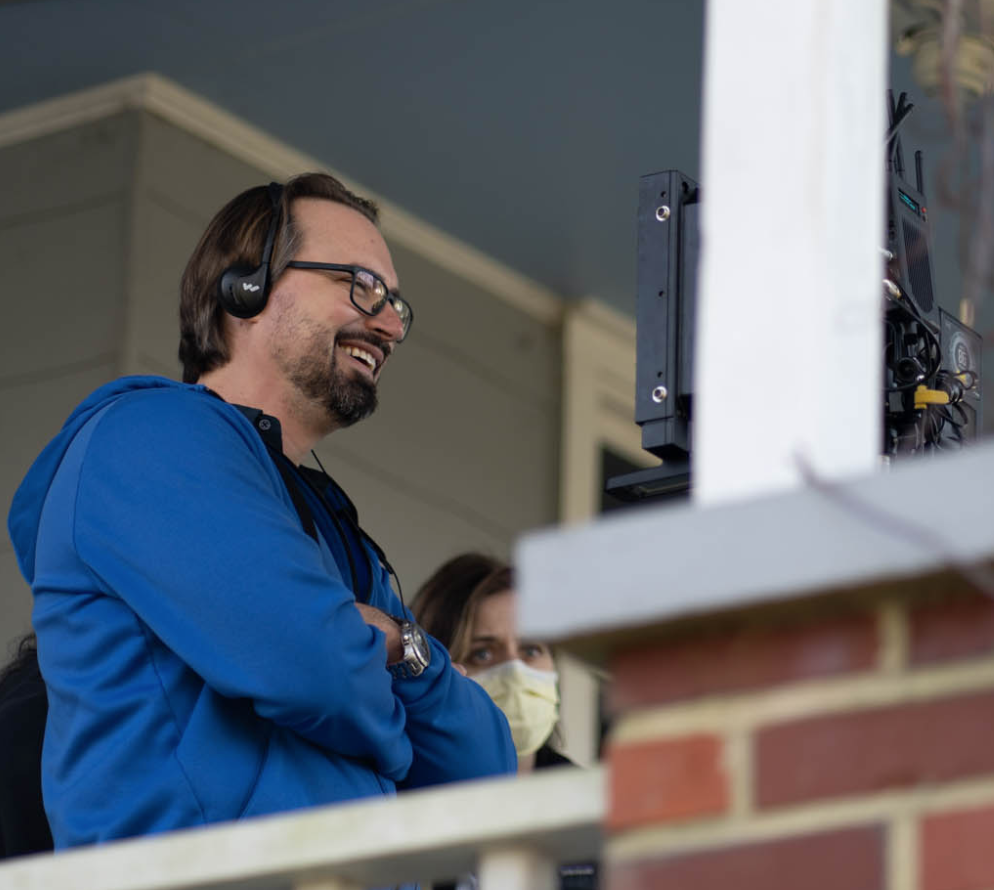
Filmmaker
Will Canon is best known for his award-winning feature film debut, BROTHERHOOD, which won Audience Awards at South By Southwest, The Dallas International Film Festival, and was nominated for a Gotham Award. The New York Times selected BROTHERHOOD as a Critic’s Pick and Variety called it, “Ingeniously constructed and propulsively paced.” Will then went on to make his second feature, DEMONIC, starring Frank Grillo and Maria Bello, for producer James Wan and Dimension Films. Next, Will wrote TARGET CHURCHILL for the Solution Entertainment Group about Winston Churchill’s trip to the United States in 1946 to give his famed Iron Curtain speech. Will then set about development on the fact-based heist thriller, MAJORING IN CRIME, for Gold Circle Films based on the Vanity Fair article of the same name as well as the southern-thriller DOWN SOUTH. Will recently finished his third feature, THE CONFESSION, starring Italia Ricci and Scott Mechlowicz, which is being released by Quiver on January 16, 2026 on Itunes, Amazon, Fandango Home, and Google Play.



