
Ep107 Steve Miller - How To Become The Only Choice In Your Market With Steve Miller






Grab Steve Miller's 25 Uncopyable Action Steps FREE here: https://www.beuncopyable.com/jason-croft
In this episode of Strategy & Action, Jason Croft sits down with Steve Miller—author of 11 books including Uncopyable—to break down why being "better" than your competition is a trap... and what to do instead.
Steve reveals the concept of extrinsic benchmarking (stealing genius from completely unrelated industries), why most businesses are stuck playing copycat in their own box, and how he built an eight-figure business by focusing on just 200 companies.
Jason digs into the challenge coaches and consultants face today: how do you stand out when everyone sounds the same? Together, they explore the difference between visibility and memorability, why competing on price is a losing game, and what it really means to create value so clear that the decision becomes easy.
You'll hear wild stories from Steve's time as a Hollywood stuntman, his work with Apple and Caterpillar, and the field trip that changed how a construction equipment giant thought about customer experience.
If you're tired of blending in and want to become the inevitable choice in your market, this episode gives you the playbook.
Steve Miller 0:00
Stop looking at your competition. People are always looking at their competition. They go to trade shows. They're looking at their competition. They read magazines. They're looking at their competition. What he said was, if you want to get a new idea, you have to leave your box. You have to go climb into some other box of an industry that is completely unrelated to you, and go steal from them.
Jason Croft 0:27
Welcome to strategy in action, where we reveal how industry leaders build real market gravity, the force that naturally attracts opportunities, partnerships and profits. You get raw insights, proven frameworks and strategies that actually move the needle in your business. Let's get started. How do you possibly stand out in this amazingly crowded world that we have today as a business owner? That's exactly what we're digging into today with Steve Miller. He is a phenomenal marketing mind wrapped in a pretty charming dude, and he's written, Gosh, 11 books now, including what we're going to talk about today, called uncopyable. And that's that's the key. That's the key to business success, sure, but also, whatever you want to achieve, you've got to grab attention. That's the hardest thing to do these days, right? And so many of us get trapped in, in this trap of better, right? We get trapped in this idea of, how can I be better than the coach next to you or that business down the road, instead of, how can I be the only choice, and by figuring that out, what's your own category, how do you become uncopyable? That is a differentiator among differentiators, and that's what we get into today. That's really where I start with clients I work with to go and create a show or start building their brand. I'm trying to pull that from them. A lot of folks have it, oh, I did this, this and this, or this is how I'm different. I haven't really expressed that yet. Well, let's make sure we express that. Let's, let's name that aspect of what you do and make it so that it is your own. That's a proprietary process that you take somebody through. Those are some of the elements of becoming uncopyable. And Steve and I dig into this so much, and he gives these great examples, certainly in his books, but on this show too, of how to go about this and where to look for ideas and examples of this. We had such a fun conversation, and so much so we're going to do a part two, for sure, and so much to cover. Absolutely love this, this interview with Steve, and I know you will too. All right, folks, you may know him as Kelly's dad. You may know him as the uncopyable gunslinger. You will definitely know him as Steve Miller. Steve, welcome to
Steve Miller 3:33
the show. Jason Croft, you're no relation to Laura Croft, are you?
Jason Croft 3:39
It's a, it's an old relationship. It's a, she's an expert. You got, you got
Steve Miller 3:43
kind of that Hollywood hair? Yeah, awesome.
Jason Croft 3:47
Well. Been connected on LinkedIn for a little bit. I jumped in and listened to because I'm an audiobook guy. Uncopyable. Fantastic. I love Thank you. Certainly the core concept, which is easy for someone to, oh, grab agree with, but then to go through it and see how they can actually do such a thing, how to become uncopyable. I knew that was the core topic I wanted to really dig into with you, since that is your absolute, it's the word zone of genius. Yes, absolutely. So a lot of our folks are coaches consultants, certainly a broader base of business owners in general. But I really, you know, bring these episodes around, coaches consultants. Usually they're, on their own in business, and
Steve Miller 4:43
they're you and me, Justin, they're you and me, that's what they are. Then there, we built our businesses. We've built, you know, we've gone through the stuff, you know, to get there. And have have, we have both, you know, created our own paths and found special. Little things along the way that help people. You know, you know, because I want to, you know. I mean, I, you know, I mean, I appreciate you still want to, you know, I guess, introduce me, but you know, you know. I mean, I just want to say, right up front, I love market gravity. I just love that, and I might steal it, but I'll, you know, I don't know what I'll do with it, but nice. No, I just love, I just love it. I love, I love that concept. I love, I love the way it's explained and stuff. Maybe I can plus it a little bit appreciate.
Jason Croft 5:33
Yeah, I would love to, let's get, let's, let's get there. For sure, I want to make sure people have full context of you and why you're on. Certainly, they've had a little bit, you know, in the intro that that they'll have listened to already. But author of 11 books, you've been doing this for big, yeah, long time and everything, yeah, and it's, it's such an important thing, like I mentioned when talking about the book, it's a simple concept, hey, become uncopyable. But then when you sit down and go, yeah, how do I do that? How do I make myself not sound like every other coach or deliver like every other consultant?
Steve Miller 6:13
That's a process. That's a solid point, that's all points. Yeah, harder than it, harder than you think it might be,
Jason Croft 6:20
yes, but it is more critical now than ever, because it is noisier now than ever. There are, no matter what you do, there's more of them now than ever before, and people talking loudly. So let's dig into this. Certainly we can touch a little bit on why that's important in the original thesis. But then let's get into some of this.
Steve Miller 6:45
How around it? It's a really simple reason why people do not buy from you because you are similar to the competition. It's, it's that. It's that simple you see if you and being similar to the competition, you could also just say that they don't, they don't necessarily buy from you, because you're even better than the competition. Better. Better is a word that really doesn't mean much if your prospects your target market, that we call we call moose. We call them. They're the moose in the you're hunting. You're hunting moose in the forest. Is what you're doing. That's how that's where this whole thing came from. For us, is that you're you're a hunter in the forest, and you're hunting moose, you're not hunting bear, you're not hunting raccoons, you're not hunting deer, you're hunting moose. And that is the only thing you're hunting, and you're paying and that's all you're paying attention to. And so when we say you're hunting moose, your moose are looking at you, and if they look at you and they go, oh, you know what, you're kind of like those guys, or those guys, or, you know, or those guys, then that's it. That makes it a difficult sell, because ultimately, if they think that you are similar to the competition in some way, and they don't have any other choices, then it gets down. All it gets down to is price, you know, and, and I learned many, many years ago, I hate competing on price, you know, I want, I want a lot of money now. I mean, I want, I want to, I want to give high, high I have a, I have a phrase I'm very well known for, and that is where value is clear. The decision is easy and, and that's the whole point of that is that you want to be creating a value that your moose, they get it. They get that you are, you are offering a value that they can't get anywhere else. And so the key word is that you can't you can't be similar to the competition. You can't be just better than the competition. You have to be different than the competition in a unique, relevant, useful way.
Jason Croft 9:07
And there's layers to that too, because you can have all of this value. You can sit down in your room by yourself, and you can line out your big, amazing offer that gives so much value for the money all of that, but you'll never get to put that in front of your moose if you're not seen as different as, why should I even listen?
Steve Miller 9:30
Yeah, yeah. And in that, you know, and so and so, you know? I mean, I can, and I'm glad we can do this, because I can jump right into kind of your market gravity definition. Because, you know, you have five parts to your market, gravity, you know, definition, which is, you know, the first part is visibility, which I could argue at a little bit that awareness, I have never cashed a check on awareness. Mm. Ah, you know, I look at it like, okay, visibility is important, but it's a real short term important thing. You have to go to the you have to be going to that next step, which you do by, by, by sticking in authority as the, as, okay, you know, you become visible to them. But then you start, you now establish authority. You know that you are. You're the smart guy, right? You're the one who's going to deliver something that nobody else can deliver. That's the authority. That's the authority part, you know. And then the idea of resonance, where you're making a connection with your marketplace, you know, very, very important, okay, and then you develop a momentum. You want to build a momentum in your marketplace, okay? And then ultimately, it's kind of like it's inevitable that they have to choose you, okay, the word, the one word that I'm going to add to this is they have to remember, you see, that's good for just a couple of years, I was a stunt man in Hollywood. And as one does, right? It's part, it's part of being one of us. You know, in this world, you know, in order to get graduate college, you become, you got to go through Hollywood and do a little bit of stunt work, okay? And I remember one time having a conversation with an executive producer, and he was hiring me for a movie and, and I was saying, Hey, thank you so much. I really appreciate it, you know. And I said, I said, you know, everybody always says it's who you know that. And I said, I'm so glad that I know you, you know and you've chosen me and stuff like that. And he says, Steve, let's let me stop you right there. He says, That phrase is completely wrong. He says it's not who you know. He says it's who knows you. He said, I know you, Steve. He said, so when I am doing a new a new movie or TV show or something like that, and I'm looking at, okay, what type of stunts do we need? What type you know, do I think of you? Right? And an old friend of mine, nito Cobain, I don't know if you know who nito is. He's a president of High Point University. Really smart guy and stuff. I heard him speaking one time, many years ago, and I heard him say, when the lightning bolt comes out of the sky strikes the moose on the head, and the moose says, I need this help. Do they think of you first? Do they think of you second? Do they think of you at all? And what that executive producer was saying to me was, No, you are the only one they think about.
Steve Miller 12:56
Okay, that goes and that goes back to what's his name? Grateful, dead,
Steve Miller 13:03
I'm blanking on his name. What's his name? Grateful, Jerry Garcia. Gary Garcia, because Jerry Garcia says you don't want to be the best. You want to be the only that's that's what being uncopyable is all about, that and, you know? And I stumbled into the word uncopyable, after several years of trying to teach to be the only and then, and all sudden, that word popped into my mind. I said, Oh, you want to be uncopyable. That's what you want to be.
Jason Croft 13:34
And that can come in so many different ways, but mostly, I think it it's about creating your own thing. What's your own version? And there's a it's a tricky spot, because we hear the bad versions of this, the Hey, what do you do? Well, I bring about and evolve the synergies of the executives mindset in a way that, and you're just like, I don't have a clue what you're talking about, right? And so there's, there's clear which that is not right if you go the other way, like, for me, like, what do you do? Video, podcasts, cool. I know a million people like you see ya. Great. So that's the challenge in all this, this simple concept, that's the challenge in the middle, to have enough context for somebody to go, oh, that sounds really familiar, but I've never heard it like that. How do you get there with some of this stuff and balance those two things?
Steve Miller 14:45
Well, first of all, I mean, the number one thing is to like, is, who's your moose? That's the number one thing. I mean, we always, you know, we, you know, we have a thing we teach people called. Marketing dime, and it's just, it's just marketing 101, okay, you know, it's the four parts of marketing that you you go through in order to communicate with with your audience, okay? And the first thing, number one is, who is your market? It is much better to be a big fish in a small but rich pond, you know, than it is to try to be a competent fish in in a big, you know, a big lake. My wife and I, we built, we built our business that, and I'm happy to, happy to say, well into eight figures. And our initial list was 200 companies. And we built and, and, and we, we killed it in that list. I mean, we ended up having like, 80% penetration with that list of who became clients of ours because, because it was a, it was a very unique list, but we became very well known to these people. You know, we were doing content, being, understand, I am, I'm an old guy. Okay, you know, our business is, you know, we've had our business now for for 39 years, and and I had no money. I was dead solid broke when I convinced Kay to marry me to, you know, and I've all, you know, I always say it was just because she had a job, she had money, and so, you know, I found her, got talked her into it, and within three years after we got married, she decided she left this great job that she had to have a kid, and, you know, and so then it was, it was up to me to make this thing, this, make this thing work. And so I was able, I discovered this concept of have, of being a big fish in a small but rich pond, and I was able to identify a smaller audience. And anybody can do that, it's, you know, we market guys like us, marketing guys like us, you know, we talk about, you niche down. You niche down. You niche down. You know? Because if you can, you know, the the keys to finding you know the right niche are, you know, are number one, all right, can you find them? Can you find the group? Can you find the moose? Can you find the forest? Where, where the moose are hanging out? So, in other words, is it online? Is it in a social media? Is it in a Reddit group? Is it, I mean, where are where is this group that you're trying to find and do they have money? Do they have money that they are they they are willing to spend? Do they talk to each other? In other words, do they refer to each other, you know, and stuff like that. It's all these things are all part of finding that that right audience don't don't mess around with an audience that you know you can't communicate with efficiently, effectively, that you that doesn't have money, that they don't talk to each other. I mean, that you're really going to be spreading yourself thin if you try to do, try to do something bigger than that, don't you? Oh, yeah. I mean, that's yeah, big time again. Set market gravity. Your your market gravity and and you, and you talk about, and I love the word inevitable. You know, you take people who are, what was it you said? You said, you I'm trying to remember what I read. You say, you said. You take people who are invisible and you turn them into being inevitable.
Jason Croft 18:38
Yeah, that unseen expert into that inevitable choice.
Steve Miller 18:41
The phrase I was, look, I'm referring to the unseen expert into the inevitable choice, right that I love, that I love that that's that's such a great way of putting it.
Jason Croft 18:53
And I love that, because I think that remembrance goes right after resonance and before momentum that that's that's going to create that, because that momentum comes when somebody does remember you and recommends you to that next person, and then they're back in it, and you're in that, you start to get a flywheel going. And yeah, the moose that talk to each other, like you said, I do want to, I do want to finish your thought on those 200 companies. What were you doing? Originally, to get in front of them and speak to them.
Steve Miller 19:32
I had been a Vice President of Sales and Marketing for a Japanese toy company. After I got out of Hollywood. That's so stupid. I'm sorry. It's it's funny to me that I was doing that. But when I, when I left Hollywood, I kind of got into sales and got this job for the with this toy company, found out I was good at it. And. Kind of climbed the ladder. It was the world's largest manufacturer of radio control toys. And didn't mean it was, that's that does that doesn't mean very much, because it was only about $50 million company, but it was the world's largest and but I worked my way up into that up there. And while I was there, I, you know, I exhibited at trade shows. Okay, anybody who's in business, you know, if they have, if they're going to be at a trade show, whether as an exhibit or an attendee, and I, my company was, they were the exhibitors. And I would go to those trade shows. And I would watch, I had no experience, but I would walk around, and I would watch other exhibitors, and I realized these guys suck. They are terrible. They, they, you know, here, here's a trade show. Got people walking around who are moose, right? And and the exhibitors are just sitting around talking, you know, you know, doing nothing,
Jason Croft 21:13
yeah, hoping someone comes by, right? It's still like that.
Steve Miller 21:18
Today. It's still like that. I'm absolutely blown away by it, but it's still like that. It's insane. And so I was working, I was at a trade show in New York City. I was at the premium incentive trade show in New York City, which is actually a real interesting show, because imagine, like, your company wants to give gifts to your customers, and you're going, like, Okay, what kind of gifts do we give people, right? Well, you go to the premium incentive show, because the premiums, you know that they have, you know, the pens and Trotsky's and stuff like that, they're giving away that. Those are premiums incentives are the cool stuff, the really nice stuff that they want to give, give to people. Well, that's all at the premium incentive show. So it's, it's, it's a menagerie of stuff, right? And here, you know, we're, I'm saying, buy our radio control toys. They would really be, people would love them, right? And, and, and, what? But what I did was, when I went to these shows, I said, Hey, we're, we're here to generate business, not not necessarily right, right sales, right orders at the show, but we are definitely here to gather leads of high quality moose that we will follow up with after the show, and we will make sales with after the show. Okay? Well, I'm at, we're at the New York premium incentives show, one time, little booth. We had a little tiny booth and and across the aisle from us is this giant booth, 5000 square foot booth, Apple Computer. And at the end of the show, a guy walks up to me and he says, Are you the guy who's in, who's running this booth? And I said, Yeah. He said, I'm the, I'm the the trade show manager for Apple. He says, You've been kicking our ass for the last four days. And and he said,
Steve Miller 23:18
I'd like to hire you to come and teach me how to do that. And so I started Moonlighting.
Jason Croft 23:27
They are you doing differently?
Steve Miller 23:31
Well, there's a couple of things. Number one is act like you want to be there. I mean, it's, it's, you know, the people walking down the aisles, they are looking to give, give their money to you, right? The vast majority of trade show exhibitors, the way they learned how to do trade shows is they watch each other and and most of the people nowadays see trade shows back in the years ago, years ago, 50 years ago, they were 100 you know, 100 years ago, they were sales ready, because they were the efficient marketplace, before TV, before rate, you know, I mean, like I say, even before TV, there was, there was no efficient marketplace. You had to get out, get on a train, to go somewhere, to visit somebody, if you wanted to sell them something, or an airplane or a car or something, like if you wanted to go sell them something. But there was no one place where all the buyers, all the sellers, could get together. That's how trade shows got started. Okay, and, and, and in the beginning it was they were order writing shows. Then, as more and more things started to more and more tools went out for people to be able to communicate with and communicate use in communications. The importance of writing the order to trade shows went down. But my, you know, and so people started looking at them as mainly awareness builders, brand, you know, brand awareness builders, okay, and their definition of success was if I, if I had a crowded booth, or I gave away, if I gave away 5000 pens. I must have had a good show. That's the dumbest, that's stupid, right? And I said, No, we're gonna go. We're gonna go find our moose. We're gonna find we're going to set up a conversation with them after the show, and then we're and then we're going to sell them, okay? And that's why Apple came, because, because they they saw that I wasn't just having a crowded booth handing out crap like they were. I was actually, yeah, we were having conversations with people. We were taking notes, you know, and we were getting people's information. And he, he saw that that's what we were doing. So see, so the point being that the vast majority of companies, even today, just don't do that. And, and so I started to learn more about, I thought, you know, hey, you know, trade shows. You know, what else can I do? Oh, I know what else I could do. I can. I could contact these moose ahead of time and get them to come and see us at the at the show, right? I can do that, you know? I mean, it is all kinds of stuff and, and I don't have it here with me right now, Jason, but I ended up writing a book called How to Get the most out of trade shows. I wrote it back in 1990 it was a smash hit bestseller in the in the trade and people still tell me that it's still the number one selling book, you know, and it's, and it's old, okay, this is before internet. Now, you go on, I mean, it's still for sale on, on Amazon. You go and, you know, now the reviews are going, Oh, that thing is old. Hell. Well, no kidding, Sherlock, it says 1990 you know, you know, and stuff, but, but, but, but. But, the point being, that's what started the whole thing was when Apple got reached out and said, Hey, come and do this. Okay? And then when an Apple introduced us to a company called Aldis. Aldis computer today, they're called Adobe, you know, and, you know, and and, and they introduced us to several others. Well, next thing I know, I'm making more money on on Fridays, Saturdays and Sundays than I was during the week. And so I quit. Came up with the idea of the book, wrote the book, boom, you know, it just exploded and and then it went from just just trade shows to well, it's all it's all marketing. It's being a smart marketer.
Jason Croft 28:12
Well, in finding these two, I think the two major concepts that I want to make sure we hit, for folks, that stood out to me were certainly the idea of getting out of your industry, taking these core ideas from Hey, what's, what's makes this company, and you're
Steve Miller 28:33
bringing in something that is a really important concept. Stop looking at your competition, and I'm impressed that you saw that. Thank you very much for that means that you did your homework, and I appreciate that means a lot to me. Thank you very much. One of the big stepping stones in my life was that my dad was the CO inventor of the eight track tape player. For those of you that don't know what I'm talking about,
Jason Croft 29:03
just Google. Go Google. It. Go Google. Fantastic technology
Steve Miller 29:07
changed the music industry. Yeah, it changed, literally changed music industry, because it was the it was the first time people could carry music with them their choice of music. They could choose what they wanted to listen to, and they could carry it with them. That was what the eight track did. And when they were building the eight track, my dad and his co partner, Bill Lear of Lear Learjet, they didn't have enough money to produce the product in the United States. It was so expensive for labor and stuff like that. And they, they ultimately, because of my dad's background, my dad had a international background. They ultimately decided to build the product in Japan. Now this is back in the early 1960s and made in Japan. Back in the early 60s, made in Japan was junk at that time, but there was a guy. There was a guy whose name was Edwards Deming, w, w, Edwards Deming, who is famous now because he's the guy who made Toyota, what it is, and his whole thing was, was total quality management, all right, but one of the most important parts of that, which became a cornerstone for me years later, was a thing he called benchmarking. And he would say, okay, in benchmarking, you are studying another company, and you are taking what you consider to be their best practices, and then you are emulating it in your own context. He said there were two types of benchmarking, and this is where most companies, even today screw up, but it but this ties exactly into what you just you just said, Jason, that is benchmark. Intrinsic benchmarking is the most common people. People are always looking at their competition. They go to trade shows, they're looking at their competition. They read magazines, they're looking at their competition. They go to conferences, they're looking at their competition. Yeah, everything that they do every day is around the box that they're in the box. That's the famous box everybody talks about you're in that box with everybody else in your industry is in that box, and so you're all just looking at each other in that box, okay? And if somebody comes up with a good, a new idea in that box, how long does it take before somebody else says, Hey, I could do that too. Only better, right? I mean, that's, that's what happens. You know? It's like processionary caterpillars, the old you know that they're they're just staring at each other in the box. Deming said that's intrinsic benchmarking. He said that's important. If you want to know how you are doing compared to the competition, you just want to see what, what is your status right now compared to everybody else, right? But if you want to come up with a new idea, you have to and he didn't call, he didn't say, get out of the box. He said, he called it extrinsic benchmarking. And what he what he said was, if you want to get a new idea, you have to leave your box. You have to go climb into some other box of an industry that is completely unrelated to you, and go steal from them. The example most people love to hear the most about is when I was consulting for Caterpillar, they wanted to teach their customer, the drivers, the users and stuff like that, that Caterpillar was better than all the rest, and they could help them and all this sort of stuff, you know, and they did all the usual stuff. So they hired me to kind of start working with them. And I said, okay, they were, they were based outside of Chicago. They are based outside of Chicago. And I said, All right, I'm going to take you for a field trip. So I loaded everybody up on a bus, and we drove downtown into Chicago and and I stopped and I took them all in, and I took them in, all of them kicking and screaming, into the American Girl store. And I said, Guys, you got, you got to go in there and you are, this has nothing to do with Caterpillar. This is only about customers. What is American girl doing to make the customer experience different? What is American girl doing that makes customers want to give them all their money now? And they did. They went in kicking and screaming. They there were some of these, these men who said they were not going into the American Girl store, okay? I said, well, then you're going to be sitting out here in the bus for four hours or, you know, or four hour however long we're going to be here, right? Four hours later, I had to drag them out. They were taking, they were taking so many notes of what they could do at Caterpillar. That would be different from every other John Deere, you know, any you know name the other ones, right? They knew they were it was going to be different, all right? And so they took that and they and they did lots of stuff, including their visitor center that they have now. And that's the thing see. Deming said, the vast majority of American companies are so focused on intrinsic benchmarking, they don't pay attention to the extrinsic part. And so that was See, and that's where. So this, that's where my thing came from. My my thing came, you know, where I when I started working with companies, it was, how do we go find new ideas and and the thing is, the ideas are everywhere. They're just not in your box, right? You have to go find another box, like, that's what you were alluding to when you talked about that.
Jason Croft 35:24
And that's a beautiful thing too, because it's so it opens up the world too, when you can focus that way, and you can think that way, and you have a little guidance, and, you know, it's a muscle like anything else, you start looking at the world that way, and everything changes. And it's just becomes fantastic. I I want to, we've got to wrap. I could talk to you about this, and I want to hear 50 more stories, honestly, from these like this.
Steve Miller 35:54
You know, if I can talk to you into doing another, another one of these episodes, we can, we can talk about how to be, how to be remembered. I mean, number one, we could talk about the, you know, extrinsic benchmarking, and then we could talk about that other set. That's, if you're interested, I would love
Jason Croft 36:10
to, I would love to get into that. I want to get into making your customers rock stars.
Steve Miller 36:15
Oh my gosh. Is that thing powerful? Wow, yeah,
Jason Croft 36:19
so, all right, well, that's that sells it. We'll have to, we'll have to kick in a part two here. But before we go, I know you got stuff for the audience. You've been kind enough to put together.
Steve Miller 36:30
Well, yeah, you know, we Yeah, I just want to, you know, if somebody wants to, you know, learn a little more about us, or get some ideas, or something like that we got, she's gonna be mad at me when I say this. My smoking hot wife, Kay, she put together a 25 uncopyable action steps. It's a list of things that you can do that will separate you from the competition. And you can go in, you can see if there's any of them that you're already doing, or you can see things that you you can steal for yourself, and it's and so you can get this action step list if you get our website is be uncopyable.com. The the page to go get this is be uncopyable.com/jason-croft. Ash Croft, I should have just made it just Jason Croft. That's what I should have. That would have been easier. That's it. Make him work for it. I really am a fan of Jason and his philosophy with with this stuff and and, and he does more podcasts than than anybody I've ever seen in my life. I mean, he has more interest, not good, but there's a lot of them. You got way too much time on your hand. My friend,
Jason Croft 37:53
quantity over quality, my friend. That's what I go for. Steve, thank you so much for this. Honestly, I really would like to do a part two, because I could keep this going. Love talking this stuff with you. Really enjoyed your book. You know, I'm a little bit angry because I'm gonna have to go through now at least the other three that are in that
Steve Miller 38:12
stealing genius. Stealing genius is the number is, I'm gonna tell you already now, stealing genius is the best book there, and it's the it's the lowest selling book, so, oh, wow.
Jason Croft 38:21
All right, it's next on the list. Steve, thank you so much. Thank you, Jason, thanks for joining us on strategy in action. Remember true industry leaders don't chase opportunities. They attract them. Want to build your own market gravity. Visit media leads co.com See you next time you.
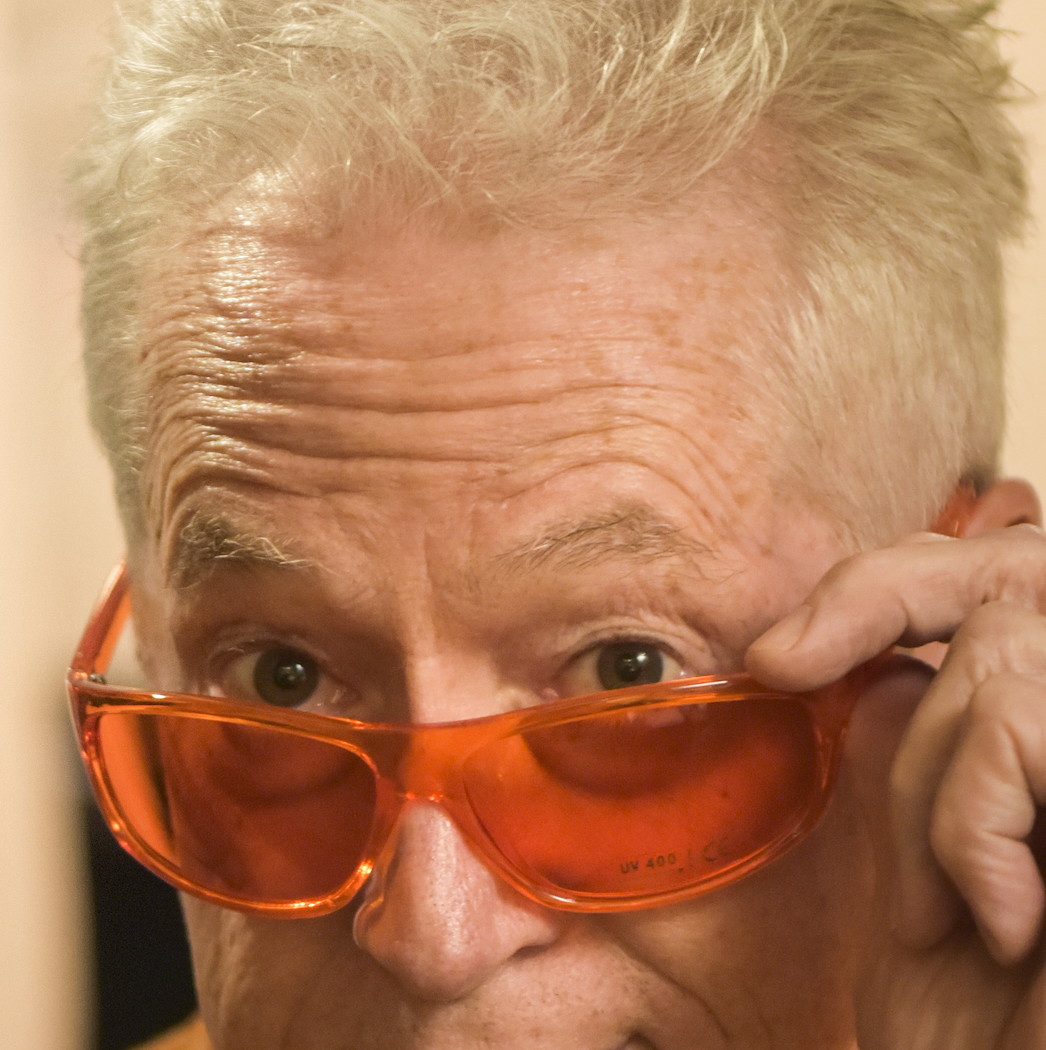
Kelly's Dad, Uncopyable Gunslinger
Hi, I'm Steve
Kelly's Dad, Uncopyable Gunslinger
(That's me right after I spoke at the 2007 TED Conference feeling pretty full of myself. Cameron Diaz sat center seat front row. I heard there were other people...somebody named Bezos, another guy Abdul Jabbar, a Branson, a Gates, but I don't remember seeing them.)
Meetings & Conventions magazine calls me the Idea Man for my non-traditional approach to strategic marketing, branding, and innovation.
I call myself Kelly’s Dad. That’s who I am. My business title is Uncopyable Gunslinger. That's what I do. In the increasingly competitive business world today, I teach organizations how to separate themselves from the crowd. My books, UNCOPYABLE: How to Create An Unfair Advantage Over Your Competition, and UNCOPYABLE YOU: Create a Personal Brand That Gets People to Know You, Like You, Trust You, and REMEMBER You! (co-authored with Kay) both reached #1 Best Seller on Amazon.
As an author, a professional speaker, and business advisor, I'm known for my edgy, no-spin-zone style. I'm the son of the co-inventor of the 8-track. I've also played on the PGA Tour, labored in the copper mines of Arizona, and even worked in Hollywood (all of which means I’m basically unemployable).
Since founding The Adventure LLC in 1984, my consulting clients have ranged from solo entrepreneurs to Fortune 100 mega-corporations, including Proctor & Gamble (advising on the Swiffer WetJet product launch), Boeing Commercial Airplane (the 777 launch), Nordstrom, St…Read More



